Introduction: A Catholic Perspective on World Interfaith Harmony Week
As Catholics, we may hesitate when initiatives like World Interfaith Harmony Week come up. Questions arise: Does this compromise our faith? Is it promoting a blending of religions? These concerns are valid and come from wanting to stay faithful to the Gospel. But rest assured, World Interfaith Harmony Week is not about diminishing our Catholic identity. Instead, it offers a powerful opportunity to live out one of the most fundamental aspects of our faith: building peace and loving our neighbors as Christ taught us.
The Catholic Church has long supported interfaith dialogue. The Second Vatican Council’s declaration, Nostra Aetate, reminds us that we must respect and work alongside people of all faiths. It acknowledges that God’s presence is evident in different cultures and religions, planting seeds of truth and goodness. This dialogue is not about compromise but humility, understanding, and collaboration for the common good.
As Franciscans, we are especially drawn to this mission of interfaith harmony. St. Francis of Assisi exemplified this beautifully when he met Sultan Malik al-Kamil during the Fifth Crusade. He approached the encounter with humility, respect, and a desire for peace. He modeled the very essence of what World Interfaith Harmony Week represents. Participating in such initiatives doesn’t mean abandoning our beliefs but living out Christ’s call to be peacemakers. In this spirit, let us explore what World Interfaith Harmony Week is, its goals, and how we, as Catholics, can engage with it confidently and faithfully.
What is World Interfaith Harmony Week?
World Interfaith Harmony Week is a United Nations initiative observed annually from February 1 to February 7. It aims to foster mutual understanding, respect, and collaboration among people of different faiths and belief systems. This week encourages individuals and communities worldwide to focus on shared values and work together toward global peace and harmony.
The initiative’s key message—”Love of God and Love of the Neighbor,” later extended to “Love of the Good and Love of the Neighbor”—is rooted in universal principles of compassion and mutual respect. It provides a framework for people of all faiths (and even those with no religious affiliation) to unite for the betterment of society.
Origins of the Initiative
World Interfaith Harmony Week was proposed in 2010 by King Abdullah II of Jordan, a leader known for advocating peace and dialogue among religions. He recognized the challenges of religious division and misunderstanding in the modern world and presented the idea at the United Nations General Assembly. His vision was to create a global interfaith dialogue platform fostering collaboration and unity. The UN unanimously adopted the resolution, making it an official initiative observed every February.
King Abdullah II’s efforts were rooted in earlier initiatives, such as the Amman Message of 2004, which sought to clarify Islam’s core teachings and promote interfaith dialogue. His leadership highlights how individuals from different faith traditions can take meaningful steps toward peace and understanding.
The Catholic Connection: A Foundation for Dialogue
The Catholic Church has consistently recognized the importance of interfaith harmony. In Nostra Aetate (1965), the Church officially encouraged dialogue with other religions, emphasizing that we share many core values, including the pursuit of truth, justice, and peace. Pope Francis has also made interfaith dialogue a cornerstone of his papacy, frequently engaging with leaders of other faiths and calling for collaboration on issues like poverty, climate change, and human rights.
World Interfaith Harmony Week aligns with these Catholic principles. It offers a platform to live out our call to love God and neighbor. By participating, we do not compromise our faith but bear witness to it in the spirit of humility and service.
Goals of World Interfaith Harmony Week
- Promoting Dialogue Across Faiths
One of the initiative’s primary goals is to create opportunities for meaningful conversations between people of different religions. Dialogue builds understanding, dispels stereotypes, and fosters mutual respect. - Encouraging Love and Respect
At its heart, World Interfaith Harmony Week emphasizes love—love of God, love of neighbor, and love of the good. This message transcends specific doctrines, inviting all people to focus on what unites them rather than what divides them. - Addressing Discrimination and Misinformation
Religious discrimination and ignorance are significant barriers to peace. The initiative aims to combat these issues by promoting education, awareness, and mutual understanding.
Why World Interfaith Harmony Week Matters
- Uniting Communities Around Shared Values
While religious traditions vary, most share common values such as compassion, justice, and the pursuit of peace. Focusing on these shared values helps unite communities and inspire collective action. - Addressing Global Challenges
Many global issues, from poverty to climate change, require collaboration across religious and cultural boundaries. Interfaith harmony provides a foundation for addressing these challenges together. - A Witness to Catholic Faith in Action
Participating in interfaith initiatives allows Catholics to live out the Gospel. We demonstrate Christ’s teachings by engaging with others in a spirit of love. This approach respects others and communicates His message to the world.
How Catholics Can Participate
If you’re wondering how to get involved in World Interfaith Harmony Week, here are some ideas:
- Organize or Attend Events
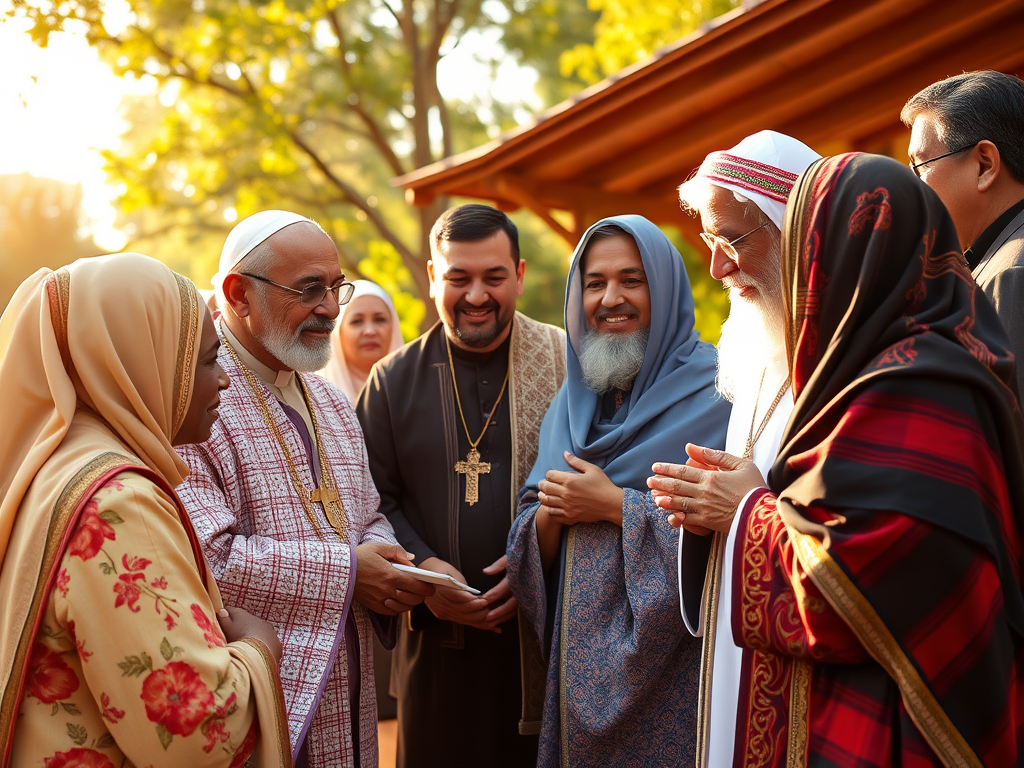
Join your area’s interfaith prayer gatherings, seminars, or community service projects. These events provide a space for dialogue and connection. - Engage in Meaningful Conversations
Take time to learn about the beliefs of others and share your own faith story with humility and respect. - Educate Yourself and Others
Read about other religions, attend workshops, or invite speakers to your parish. Understanding others helps build bridges of trust and understanding.
Conclusion: Living as Peacemakers in a Divided World
World Interfaith Harmony Week is not a threat to our Catholic identity—it’s an invitation to live it out more thoroughly. As Franciscans and Catholics, we are called to be peacemakers, bridge-builders, and witnesses to Christ’s love in a divided world. By engaging in interfaith dialogue, we follow in the footsteps of St. Francis of Assisi, who demonstrated that peace and respect transcend differences.
Through this initiative, we can help create a world that reflects God’s kingdom—a kingdom of justice, love, and peace. Let’s step forward with confidence, knowing that our faith calls us to be instruments of harmony in a world that so desperately needs it.
FAQs
- What is the primary goal of World Interfaith Harmony Week?
To foster mutual understanding, respect, and collaboration among people of different faiths. - How does this initiative align with Catholic teachings?
It aligns with the Church’s call to interfaith dialogue, as emphasized in Nostra Aetate, by promoting peace, respect, and shared values. - Why is interfaith dialogue critical?
It helps build bridges of understanding, dispels stereotypes, and unites communities in addressing global challenges. - Who started World Interfaith Harmony Week?
King Abdullah II of Jordan proposed the initiative, which was adopted by the United Nations in 2010. - How can Catholics participate?
Catholics can participate by attending interfaith events, engaging in meaningful conversations, and promoting education and understanding in their communities.
Discover more from Chasing The Wild Goose
Subscribe to get the latest posts sent to your email.

