
Introduction
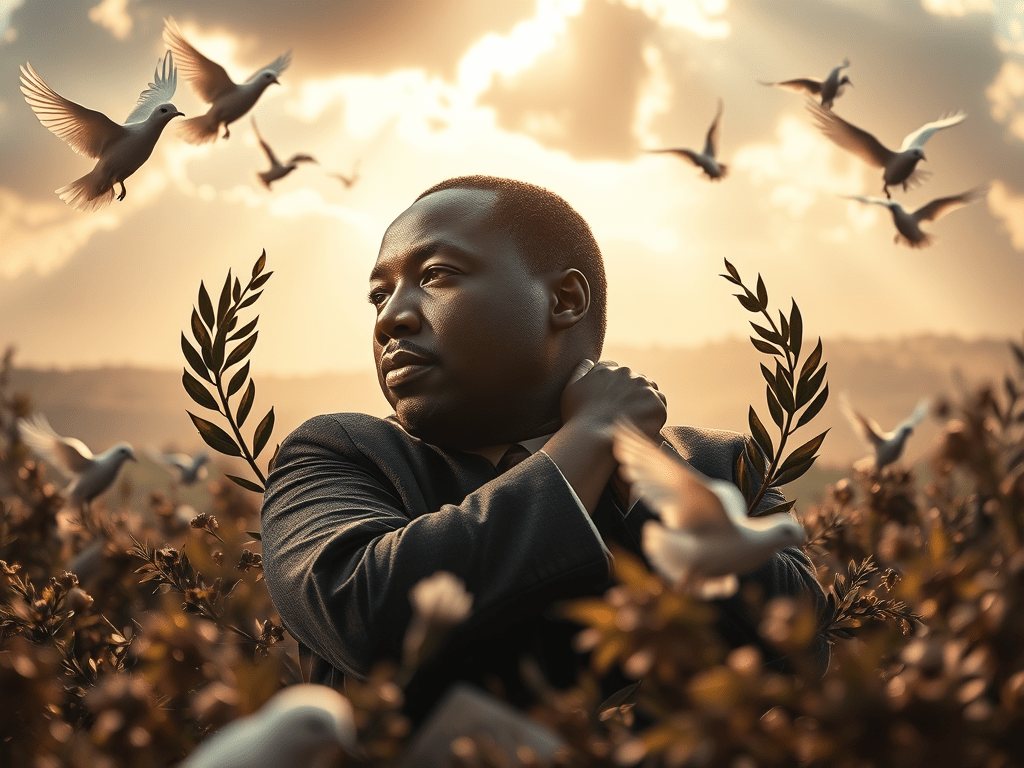
Martin Luther King Jr. left an indelible mark on history through tireless efforts to dismantle racism and foster equality. His dream of a just society resonates, especially when racial inequality persists. From a Franciscan perspective, rooted in the teachings of St. Francis of Assisi, the fight against racism is intertwined with a commitment to peace, humility, and solidarity with the marginalized.
This article explores the intersection of King’s vision and today’s racial issues through the lens of Franciscan values. By examining King’s legacy, contemporary politics, and Franciscan approaches, we aim to uncover actionable insights for addressing racism today.
The Life and Mission of Martin Luther King Jr.
Early Life and Religious Influence
Born in 1929, Martin Luther King Jr. grew up in a deeply religious household. His father, a Baptist minister, and his mother, a devoted teacher, instilled a strong moral foundation in him. King’s early exposure to the church shaped his understanding of justice, love, and the power of faith.
Core Principles of Nonviolent Resistance
King’s philosophy was heavily influenced by Christian teachings and Gandhi’s works. He championed nonviolence as the ultimate weapon against oppression, emphasizing that love and forgiveness dismantle hatred and injustice.
Key Moments in the Civil Rights Movement
From leading the Montgomery Bus Boycott to delivering the iconic “I Have a Dream” speech, King’s efforts paved the way for legislative milestones like the Civil Rights Act of 1964. His leadership mobilized a nation and inspired generations to fight for equality.
Racism in Contemporary Politics
Structural and Systemic Racism Today
Despite decades of progress, racism remains embedded in various aspects of society. Policies and practices in housing, education, and law enforcement perpetuate inequality, disproportionately affecting marginalized communities.
Polarization and Racial Divides in Modern Governance
In recent years, political rhetoric has often exacerbated racial divides. Issues like voter suppression, immigration policies, and police brutality continue to highlight the systemic nature of racism.
Key Political Events Shaping Racial Issues
Movements like Black Lives Matter underscore the urgent need for political accountability. The deaths of George Floyd, Breonna Taylor, and others have sparked nationwide protests, calling for systemic reform.
The Franciscan Lens on Racism and Justice
Foundational Principles of Franciscan Theology
Franciscans draw inspiration from St. Francis’s life of humility, poverty, and service. These principles guide their mission to stand with the oppressed and advocate for justice.
Solidarity with the Marginalized
After Christ’s example, Franciscans emphasize walking alongside those who suffer. This solidarity extends to addressing racial inequities and uplifting voices that have long been silenced.
The Commitment to Peace and Reconciliation
Franciscans believe that peace begins with reconciliation. In a world divided by racism, this commitment calls for honest dialogue and restorative practices to heal communities.
Martin Luther King Jr.’s Relevance in Today’s Political Climate
Echoes of King’s Speeches in Modern Activism
King’s words, such as “injustice anywhere is a threat to justice everywhere,” remain as relevant as ever. His speeches continue to inspire movements that challenge systemic oppression.
Lessons for Political Leaders from King’s Life
Political leaders today can learn from King’s ability to unite diverse groups toward a common goal. His emphasis on moral courage and ethical leadership offers a blueprint for enacting meaningful change.
The Enduring Call for Nonviolence and Equity
In a polarized political landscape, King’s nonviolent philosophy provides a crucial reminder of the power of love and unity. His dream challenges us to build bridges, not walls.
How Franciscans Approach Modern Racism
Community Outreach and Education Initiatives
Franciscan communities have long been committed to addressing social injustices through outreach programs. They recognize that education is a powerful tool for dismantling racism. Franciscans educate individuals about racial inequality through workshops, public forums, and school collaboration. They teach the steps needed to overcome it.
Advocacy for Policy Reform
Beyond spiritual guidance, Franciscans advocate challenging unjust laws and policies. They actively support reforms in housing, criminal justice, and voting rights to combat systemic racism. By working alongside grassroots organizations, Franciscans amplify the voices of marginalized communities in political spaces.
Embracing Diversity Within Franciscan Ministries
Franciscan ministries emphasize inclusivity, fostering communities where diversity is celebrated. Through intentional representation and dialogue, they ensure that people of all races feel valued and heard within their congregations and initiatives.
Bridging Faith and Activism
Christianity as a Unifying Force Against Racism
When lived authentically, Christianity calls for radical love and acceptance. Franciscans draw from this principle to unite individuals of all backgrounds in the fight against racism. They create a sense of collective responsibility to address injustice by focusing on shared humanity.
Interfaith Cooperation in Combating Inequality
Franciscans actively engage with other faith traditions in an increasingly diverse world to promote racial equity. Interfaith alliances strengthen the movement by pooling resources, strategies, and networks to challenge discrimination on a larger scale.
Practical Steps for Faith Communities Today
Faith communities can address racism by hosting dialogues, supporting anti-racist policies, and fostering multicultural environments. By leading by example, they can inspire broader societal change and demonstrate the transformative power of faith-based activism.
Challenges and Opportunities in Fighting Racism
Overcoming Resistance and Apathy
Addressing racism requires persistence, as resistance and apathy continue to be significant obstacles. Many individuals deny the existence of systemic racism or resist changes that disrupt the status quo. Franciscans encourage open conversations and empathy to tackle these barriers.
Addressing Intersectionality in Politics
Racism does not exist in isolation—it intersects with issues like gender, class, and immigration status. Franciscans emphasize the importance of understanding these interconnected struggles to create inclusive solutions.
Leveraging Technology for Activism
Modern technology offers unprecedented opportunities for activism. Social media platforms, for example, allow Franciscans and allies to spread awareness, organize events, and mobilize supporters quickly and effectively.
The Path Forward: A Franciscan Vision for Racial Justice
The Role of Forgiveness and Reconciliation
The Franciscan approach is centered on forgiveness and reconciliation. By fostering an environment where past wrongs are acknowledged and relationships restored, they pave the way for lasting change.
The Importance of Hope and Collective Action
Franciscans believe that hope is a powerful force for transformation. By inspiring collective action, they encourage communities to work together toward racial justice, reminding them that change is possible when united by a common purpose.
A Call for Humility and Service
True progress requires humility—a willingness to listen, learn, and serve others. Franciscans embody this principle by placing the needs of marginalized communities at the forefront of their mission.
Conclusion
Martin Luther King Jr.’s dream of a world free from racism remains a powerful vision, challenging us to confront injustice with courage and compassion. Through the Franciscan lens, his legacy inspires us to embrace humility, solidarity, and nonviolence in the fight for equality.
While racism continues to shape modern politics, King’s principles and St. Francis’s teachings offer a path ahead. Combining faith and activism can create a society where everyone is treated with dignity and respect.
Together, we can turn dreams into reality, bridging the divides of our past and building a future rooted in justice and love.
FAQs
1. What is the Franciscan approach to social justice?
The Franciscan approach emphasizes humility, solidarity with the marginalized, and a commitment to peace and reconciliation, drawing inspiration from the life of St. Francis of Assisi.
2. How does Martin Luther King Jr.’s legacy inspire modern politics?
King’s philosophy of nonviolence and equality continues to guide movements for justice, reminding leaders to focus on compassion, courage, and unity.
3. Why is nonviolence still relevant in today’s racial struggles?
Nonviolence fosters dialogue and understanding, creating space for systemic change without perpetuating cycles of hatred and retaliation.
4. How can faith communities tackle systemic racism?
Faith communities can host educational programs, advocate for policy reforms, and create inclusive spaces that promote diversity and equality.
5. What steps can individuals take to combat racism today?
Individuals can educate themselves about systemic racism, support anti-racist policies, engage in community activism, and challenge discrimination in their daily lives.
mikecars10@francisacanministryinc.org