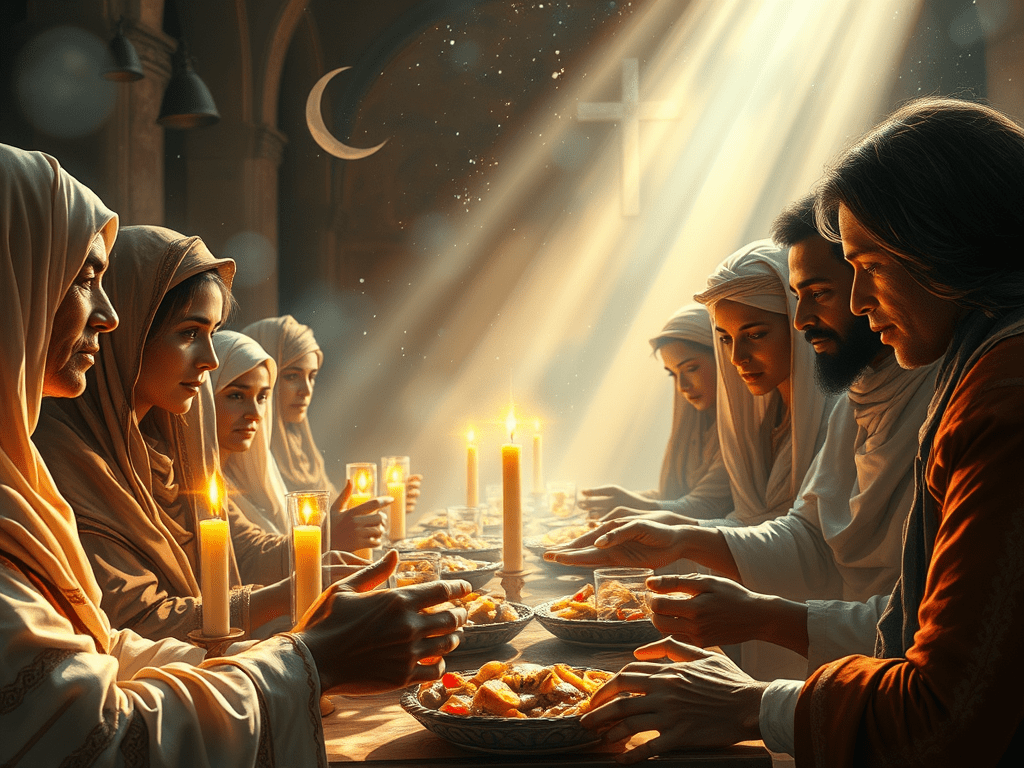
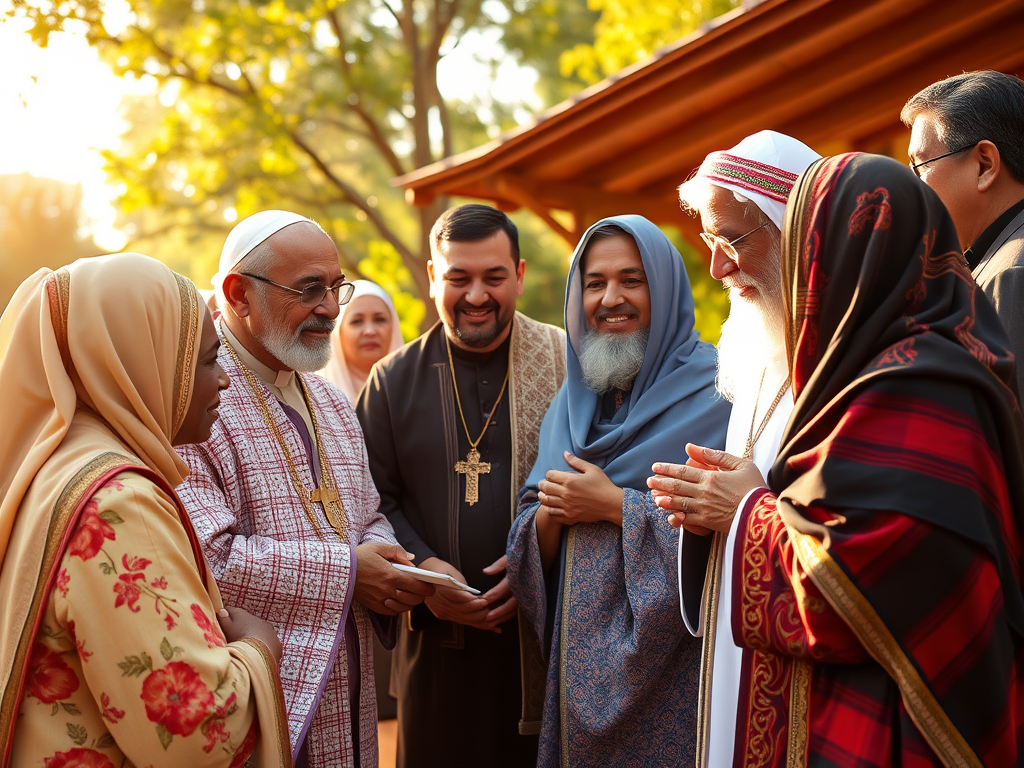
In the heart of every sacred tradition lies a hidden truth: the Divine is not distant, but intimately woven into the fabric of existence—and into the faces of those around us. Ramadan, Yom Kippur, and Lent, three pillars of Abrahamic faiths, are often seen as seasons of abstinence, repentance, or ritual. Yet through the lens of mysticism, they reveal a deeper invitation: to transcend the self and encounter God in the very act of loving, serving, and forgiving one another.
Ramadan: Fasting as a Mirror of the Heart
In Islam, Ramadan is a month of fasting, prayer, and Quranic reflection. Mystics like Rumi and Ibn Arabi remind us of the true fast. It is not merely abstaining from food and drink but freeing ourselves from the ego’s tyranny. When we empty our bodies, we create space for the Divine light to illuminate our souls. Hunger becomes a teacher, humbling us and awakening compassion for those who hunger every day.
The mystic’s Ramadan is not solitary. The nightly Taraweeh prayers recited in unison, dissolve individuality into a collective heartbeat. Breaking the fast (iftar) with others—strangers, neighbors, the marginalized—transforms a meal into a sacrament. “Whoever feeds a fasting person earns the same reward as them,” says the Prophet Muhammad (peace be upon him). In this act, we glimpse the Divine in the shared bread, the laughter, the hands that serve. To fast is to see God in the faces of the hungry.
Yom Kippur: Atonement as Cosmic Reunion
Yom Kippur, the Day of Atonement in Judaism, is a solemn fast of repentance. Yet Jewish mysticism (Kabbalah) teaches that this day is not about punishment, but reunion. The Hebrew word teshuvah means “return”—a return to God, our true selves, and harmony with all creation.
The liturgy of Yom Kippur emphasizes that sins against others cannot be forgiven by God until we first seek forgiveness from those we’ve harmed. The mystical truth blazes here: God dwells in the “other.” When we repair relationships, we restore the shattered vessels of the Divine presence (Shekhinah). The Kol Nidre prayer, chanted at twilight, is a collective vow to release the bonds of ego. As we stand together in vulnerability, we become mirrors reflecting the Infinite One back to each other.
Lent: Sacrifice as an Embrace of the Wounded
In Christianity, Lent is a 40-day fasting, prayer, and almsgiving journey that mirrors Christ’s wilderness sojourn. Mystics like St. John of the Cross and Julian of Norwich saw Lent not as deprivation but as a path to divine union. By stripping away comforts, we confront our illusions and meet God in the desert of our hearts.
Yet Christ’s ultimate teaching—”Whatever you did for the least of these, you did for me” (Matthew 25:40)—anchors Lent in community. When we give alms, we touch the hands of Christ in the poor. When we forgive, we meet God in the wounds of the broken. The Lenten fast is a doorway to solidarity, where the boundary between “I” and “you” dissolves. Meister Eckhart wrote, “The eye through which I see God is the same eye through which God sees me.”
The Thread That Binds: Love as the Ultimate Fast
Across these traditions, a common thread emerges: asceticism is not an end but a means to awaken love. Fasting from food, pride, or distractions clears the debris from our souls so we might finally see. When the ego diminishes, the Divine presence in others becomes unmistakable.
The Sufi poet Hafez writes, “I am a hole in a flute that the Christ’s breath moves through—listen to this music!” Ramadan, Yom Kippur, and Lent are each a flute, hollowed by sacrifice, through which the breath of the Divine flows. The music they create is the sound of humanity, remembering its sacred unity.
This year, as we observe these holy seasons, let us ask: How might my fast soften my heart to the stranger? How might my repentance heal a fractured relationship? How might my sacrifice become sustenance for another? For in the eyes of the one across from us—whether at the iftar table, the synagogue, or the soup kitchen—we meet the gaze of the Beloved.
La illaha illa Allah. Sh’ma Yisrael. Thy Kingdom come. The names differ, but the call is one: Encounter God here, now, in each other.
Michael Carsten OFS is a professed member of the Secular Franciscan Order and editor of Chasing the Wild Goose Blog. This article reflects his personal discernment and does not represent official OFS positions in Local, Regional, or National Fraternity. Contact Mike @ mikeofs@ofsmike.com
“I have done what is mine to do; may Christ teach you what is yours.” These words of St. Francis guide my journey as a Secular Franciscan. Bound by the Rule of the Secular Franciscan Order, I am called to “live the Gospel” (Article 4). I do this through humility, peace, and radical kinship with the marginalized. As an Ecumenical and Inter-religious Animator, I am tasked with building bridges across faiths. This mirrors Francis’s fearless meeting with Sultan Malik al-Kamil. Yet, in a world obsessed with political labels, I reject the false binaries of left and right. My ethic flows from a deeper well. Christ’s teachings and the Franciscan charism guide me. They demand a politics rooted not in ideology but in love, justice, and the sacredness of every life.
This is my creed—a way of being in the world that refuses to sever faith from action.
Foundations: Gospel and Franciscan Non-Negotiables
My convictions spring from two fonts: the Gospel and the Rule of the Secular Franciscan Order. They anchor four pillars of my ethic:
Human Dignity as Divine Imprint “Whoever harms the poor insults their Maker” (Proverbs 14:31). The secular Franciscan Rule commands me to “respect all people” (Article 13). I see Christ in the migrant, the prisoner, and the religious “other.” I oppose policies that dehumanize—xenophobic borders, exploitative labor, or environmental degradation that treats creation as disposable. Justice begins with reverence.
The Poor are the First Teachers Jesus’ declaration is my litmus test for policy. “Whatever you did for the least of these, you did for me” (Matthew 25:40). Francis stripped himself of wealth to stand with outcasts. I support universal healthcare, living wages, and affordable housing not as partisan agendas but as moral imperatives. Charity soothes symptoms; justice dismantles systems that trap generations in poverty.
Subsidiarity is about Sacred Humility. The secular Franciscan Rule encourages us to live by going from the Gospel to life. It also inspires us to bring life to the Gospel. Solutions must arise locally—in families, parishes, and neighborhoods—where human dignity outweighs ideology. While the government must protect rights, centralized power (corporate or bureaucratic) often stifles the Spirit’s work. Communities, guided by conscience, must lead.
Nonviolence as Prophetic Witness “Blessed are the peacemakers” (Matthew 5:9). Francis confronted the Crusades’ brutality with dialogue, not swords. I reject rhetoric that demonizes opponents, militarism that sacrifices the vulnerable, and economics that plunder creation. Peacemaking, for me, demands restorative justice, climate reparations, and relentless dialogue.
Engaging Political Systems: Respect and Caution
My creed engages political frameworks without captivity:
Social Democracy Respect: Its fight against poverty and healthcare gaps aligns with Christ’s healing call. Caution: Centralized programs risk sidelining local wisdom. Welfare should empower—not replace—parish food banks, worker co-ops, and interfaith clinics.
Capitalism Respect: Innovation lifts communities when tempered by ethics. Caution: Profit-driven systems commodify life. I demand fair wages, eco-stewardship, and businesses that honor workers as siblings, not labor costs.
Socialism Respect: Its critique of exploitation echoes Amos’ cry: “Let justice roll like a river” (Amos 5:24). Caution: Material equality alone risks reducing humans to economic units. True justice restores kinship—seeing the poor as brothers, not statistics.
Libertarianism Respect: Its skepticism of state overreach aligns with subsidiarity. Caution: Freedom without solidarity abandons the marginalized. “Personal responsibility” can’t absolve collective sin.
My Stance: No system is sinless. I borrow tools (policy, protest, partnership) to serve the Kingdom’s ends: dignity, kinship, and peace.
The Beatitudes: My Blueprint for Political Engagement
The Beatitudes (Matthew 5:3-12) reframe politics as sacred service:
“Blessed are the poor in spirit”: I reject consumerism’s lie that worth comes from wealth.
“Blessed are the meek”: I advocate policies that uplift the vulnerable, not entrench the powerful.
“Blessed are the peacemakers”: I labor for interfaith coalitions, knowing solidarity heals a fractured world.
For me, politics is not a battle for power but a pilgrimage of love.
The Tension of Witness
Living this ethic is a daily crucifixion:
Misunderstood Progressives question my faith; conservatives scorn my critique of greed. Francis was called a fool for kissing lepers. I embrace the title.
The Risk of Hypocrisy I fail often. I cling to the Rule’s call to “continual conversion” (Article 7).
The Weight of Despair Wars rage, forests burn, children starve. Yet Francis rebuilt the Church stone by stone. I choose stubborn hope.
Conclusion: An Invitation to Kinship
This is not a manifesto. It is my flawed attempt to live the Gospel without dilution. To those who share this hunger, I offer no program—only a challenge:
See sacramentally: The Eucharist teaches that God dwells in the broken. So look for the divine in the “other”—the refugee, the rival, the ruined earth.
Act incarnationally: Start small. Partner with a mosque to house the homeless. Join a union fighting for fair wages. Plant a parish garden to feed the hungry.
Risk love: Francis kissed the leper. Who—or what—have we been taught to fear that God calls us to embrace?
St. Francis did not set out to change the world. He set out to live the Gospel, and the world changed around him. May we have the courage to do the same.
In the quiet glow of a candle or the warm radiance of a lantern, we encounter a universal truth: light transcends boundaries. It is a symbol cherished across faiths, cultures, and histories—a reminder of divine presence, guidance, and hope. As a Franciscan, I am called to be a bearer of peace and unity. I find profound kinship in the shared symbolism of light between Candlemas and Ramadan. These are two sacred observances that invite us to kindle flames and bridges of understanding.
Candlemas: The Light That Waits
Celebrated on February 2nd, Candlemas marks the Presentation of the Lord in the Temple, where the aged Simeon recognized the infant Jesus as the “light for revelation to the Gentiles” (Luke 2:32). This moment, awaited for generations, fulfills the longing for a Messiah who would illuminate a world shrouded in spiritual shadows. On this day, candles are blessed. Their flickering flames symbolize Christ as the Light of the World. They serve as a beacon of hope, piercing the darkness of despair.
For Franciscans, Candlemas echoes our charism of humble waiting and joyful discovery. Like Simeon, we are called to recognize the sacred in the ordinary, to hold space for divine encounters in the rhythms of daily life. The candle’s light is both a promise and a challenge: to carry Christ’s radiance into a fractured world.
Ramadan: The Light That Refines
In Islam, the month of Ramadan is a journey of spiritual refinement. Through fasting, prayer, and acts of compassion, Muslims seek to draw nearer to Allah, purifying their hearts and renewing their purpose. The pre-dawn meal (suhoor) and the nightly breaking of the fast (iftar) are framed by lantern light, symbolizing the divine guidance that “is like a niche in which there is a lamp” (Quran 24:35). The pinnacle, Laylat al-Qadr (Night of Power), commemorates the revelation of the Quran—a light descending to dispel ignorance.
Ramadan’s discipline mirrors the Franciscan call to simplicity and solidarity. Just as fasting cultivates empathy for the hungry, our Rule urges us to “serve the Lord in poverty and humility,” recognizing the sacred dignity of every person. The lanterns of Ramadan, like Candlemas candles, remind us that spiritual growth requires both inward reflection and outward generosity.
Shared Light, Common Ground
Though distinct in theology, these traditions converge in their reverence for light as a metaphor for divine encounter. Both Candlemas and Ramadan emphasize:
Illumination: Christ and the Quran are celebrated as revelations that guide humanity.
Purification: Fasting (Ramadan) and the Presentation’s rituals (Candlemas) cleanse the soul to receive grace.
Community: Light is shared—whether in candlelit processions or communal iftars—to strengthen bonds of kinship.
Here, the Franciscan vocation to build bridges finds fertile ground. St. Francis’s daring dialogue with Sultan Al-Kamil in 1219 exemplifies this spirit. Amid the Crusades’ violence, Francis chose encounter over enmity, discovering in the Sultan not an adversary but a brother seeking truth. Their meeting whispers across centuries: when we approach others with humility, light can soften even the deepest divides.
A Call to Kindling
As Candlemas and Ramadan occasionally overlap in winter’s twilight, let us seize this cosmic invitation. Imagine Christians and Muslims gathering to share stories of light—how the Christ child’s presentation or the Quran’s revelation has shaped their journeys. Imagine joint initiatives feeding the hungry, sheltering the marginalized, or advocating for peace, embodying the shared ethic of mercy both faiths cherish.
St. Clare of Assisi once wrote, “We become what we love, and who we love shapes what we become.” If we love the Light—in all its names and forms—we become artisans of hope, mending the world’s fractures one flame at a time.
This is the interfaith promise of Candlemas and Ramadan. It is not to blur differences, but to let our distinct luminosities blend into a greater glow. For as the Quran teaches, “Had God willed, He would have made you one community” (5:48). Diversity, then, is no accident but an invitation to collaboration—a chance to “preach the Gospel always, and when necessary, use words” (attributed to St. Francis).
In lighting candles and lanterns, may we illuminate paths to peace. In building bridges, may we become living testimonies to the Light that unites us all.
Introduction: A Catholic Perspective on World Interfaith Harmony Week
As Catholics, we may hesitate when initiatives like World Interfaith Harmony Week come up. Questions arise: Does this compromise our faith? Is it promoting a blending of religions? These concerns are valid and come from wanting to stay faithful to the Gospel. But rest assured, World Interfaith Harmony Week is not about diminishing our Catholic identity. Instead, it offers a powerful opportunity to live out one of the most fundamental aspects of our faith: building peace and loving our neighbors as Christ taught us.
The Catholic Church has long supported interfaith dialogue. The Second Vatican Council’s declaration, Nostra Aetate, reminds us that we must respect and work alongside people of all faiths. It acknowledges that God’s presence is evident in different cultures and religions, planting seeds of truth and goodness. This dialogue is not about compromise but humility, understanding, and collaboration for the common good.
As Franciscans, we are especially drawn to this mission of interfaith harmony. St. Francis of Assisi exemplified this beautifully when he met Sultan Malik al-Kamil during the Fifth Crusade. He approached the encounter with humility, respect, and a desire for peace. He modeled the very essence of what World Interfaith Harmony Week represents. Participating in such initiatives doesn’t mean abandoning our beliefs but living out Christ’s call to be peacemakers. In this spirit, let us explore what World Interfaith Harmony Week is, its goals, and how we, as Catholics, can engage with it confidently and faithfully.
What is World Interfaith Harmony Week?
World Interfaith Harmony Week is a United Nations initiative observed annually from February 1 to February 7. It aims to foster mutual understanding, respect, and collaboration among people of different faiths and belief systems. This week encourages individuals and communities worldwide to focus on shared values and work together toward global peace and harmony.
The initiative’s key message—”Love of God and Love of the Neighbor,” later extended to “Love of the Good and Love of the Neighbor”—is rooted in universal principles of compassion and mutual respect. It provides a framework for people of all faiths (and even those with no religious affiliation) to unite for the betterment of society.
Origins of the Initiative
World Interfaith Harmony Week was proposed in 2010 by King Abdullah II of Jordan, a leader known for advocating peace and dialogue among religions. He recognized the challenges of religious division and misunderstanding in the modern world and presented the idea at the United Nations General Assembly. His vision was to create a global interfaith dialogue platform fostering collaboration and unity. The UN unanimously adopted the resolution, making it an official initiative observed every February.
King Abdullah II’s efforts were rooted in earlier initiatives, such as the Amman Message of 2004, which sought to clarify Islam’s core teachings and promote interfaith dialogue. His leadership highlights how individuals from different faith traditions can take meaningful steps toward peace and understanding.
The Catholic Connection: A Foundation for Dialogue
The Catholic Church has consistently recognized the importance of interfaith harmony. In Nostra Aetate (1965), the Church officially encouraged dialogue with other religions, emphasizing that we share many core values, including the pursuit of truth, justice, and peace. Pope Francis has also made interfaith dialogue a cornerstone of his papacy, frequently engaging with leaders of other faiths and calling for collaboration on issues like poverty, climate change, and human rights.
World Interfaith Harmony Week aligns with these Catholic principles. It offers a platform to live out our call to love God and neighbor. By participating, we do not compromise our faith but bear witness to it in the spirit of humility and service.
Goals of World Interfaith Harmony Week
Promoting Dialogue Across Faiths One of the initiative’s primary goals is to create opportunities for meaningful conversations between people of different religions. Dialogue builds understanding, dispels stereotypes, and fosters mutual respect.
Encouraging Love and Respect At its heart, World Interfaith Harmony Week emphasizes love—love of God, love of neighbor, and love of the good. This message transcends specific doctrines, inviting all people to focus on what unites them rather than what divides them.
Addressing Discrimination and Misinformation Religious discrimination and ignorance are significant barriers to peace. The initiative aims to combat these issues by promoting education, awareness, and mutual understanding.
Why World Interfaith Harmony Week Matters
Uniting Communities Around Shared Values While religious traditions vary, most share common values such as compassion, justice, and the pursuit of peace. Focusing on these shared values helps unite communities and inspire collective action.
Addressing Global Challenges Many global issues, from poverty to climate change, require collaboration across religious and cultural boundaries. Interfaith harmony provides a foundation for addressing these challenges together.
A Witness to Catholic Faith in Action Participating in interfaith initiatives allows Catholics to live out the Gospel. We demonstrate Christ’s teachings by engaging with others in a spirit of love. This approach respects others and communicates His message to the world.
How Catholics Can Participate
If you’re wondering how to get involved in World Interfaith Harmony Week, here are some ideas:
Organize or Attend Events Join your area’s interfaith prayer gatherings, seminars, or community service projects. These events provide a space for dialogue and connection.
Engage in Meaningful Conversations Take time to learn about the beliefs of others and share your own faith story with humility and respect.
Educate Yourself and Others Read about other religions, attend workshops, or invite speakers to your parish. Understanding others helps build bridges of trust and understanding.
Conclusion: Living as Peacemakers in a Divided World
World Interfaith Harmony Week is not a threat to our Catholic identity—it’s an invitation to live it out more thoroughly. As Franciscans and Catholics, we are called to be peacemakers, bridge-builders, and witnesses to Christ’s love in a divided world. By engaging in interfaith dialogue, we follow in the footsteps of St. Francis of Assisi, who demonstrated that peace and respect transcend differences.
Through this initiative, we can help create a world that reflects God’s kingdom—a kingdom of justice, love, and peace. Let’s step forward with confidence, knowing that our faith calls us to be instruments of harmony in a world that so desperately needs it.
FAQs
What is the primary goal of World Interfaith Harmony Week? To foster mutual understanding, respect, and collaboration among people of different faiths.
How does this initiative align with Catholic teachings? It aligns with the Church’s call to interfaith dialogue, as emphasized in Nostra Aetate, by promoting peace, respect, and shared values.
Why is interfaith dialogue critical? It helps build bridges of understanding, dispels stereotypes, and unites communities in addressing global challenges.
Who started World Interfaith Harmony Week? King Abdullah II of Jordan proposed the initiative, which was adopted by the United Nations in 2010.
How can Catholics participate? Catholics can participate by attending interfaith events, engaging in meaningful conversations, and promoting education and understanding in their communities.
Two days ago, I received a text from someone dear to me expressing support for an upcoming U.S. effort to gather up and deport immigrants and asylum seekers. To say I was disappointed and saddened would be an understatement. I wondered how—or even if—I should respond. Yet in Detroit, I hear that U.S. Immigration and Customs Enforcement (ICE) is already moving through neighborhoods, knocking on doors.
Finding Hope in Franciscan Wisdom
Yesterday morning, I opened my email and found a message from my Franciscan sister in Waco, Texas. She is a member of the Order of Ecumenical Franciscans (OEF) and the editor of Hunger News & Hope. The Winter 2024 edition arrived in my inbox just in time. This edition offered a fresh perspective and gave me a renewed sense of hope.
Addressing Misconceptions
I feel compelled to address what I believe is a profound misreading. Many Catholics misunderstand what is happening in our country. Some refuse to accept it. Others are okay with it.
My friend claims that the government’s efforts to deport undocumented immigrants “target only those who have committed crimes.” Unfortunately, this is not correct. Many hardworking families, children, and individuals are at risk.
A Resource for Understanding
That is why I’m sharing Hunger News & Hope with you. This publication offers insight into issues of hunger, poverty, immigration, and social justice.
Call to Action
I invite you to:
Read the latest edition of Hunger News & Hope
Consider signing up for future editions
Engage in conversation
The Church’s Position
Bishop Mark Seitz of El Paso, the chairman of the U.S. Conference of Catholic Bishops (USCCB) Committee on Migration, strongly criticized President Trump’s recent executive orders on immigration. He described these orders as “contrary to the moral law” and expressed concern for vulnerable families and children.
Concluding Thoughts
Thank you for taking the time to read this. I hope you find it helpful and thought-provoking. It can inspire us all to pursue a more just and loving path.
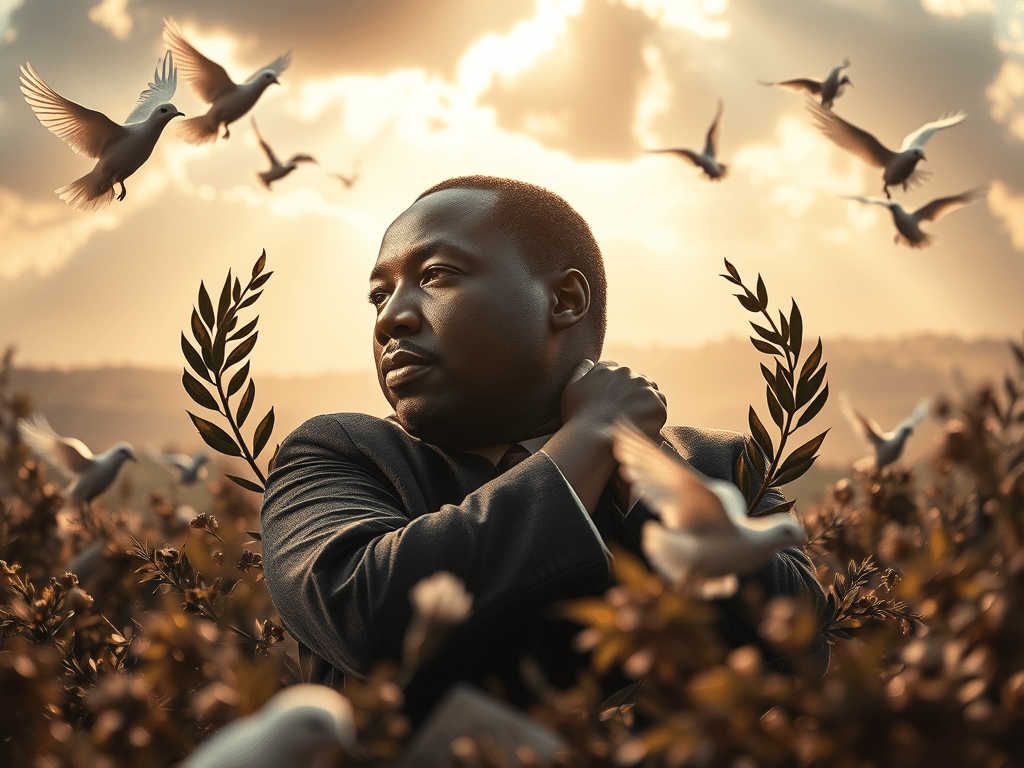
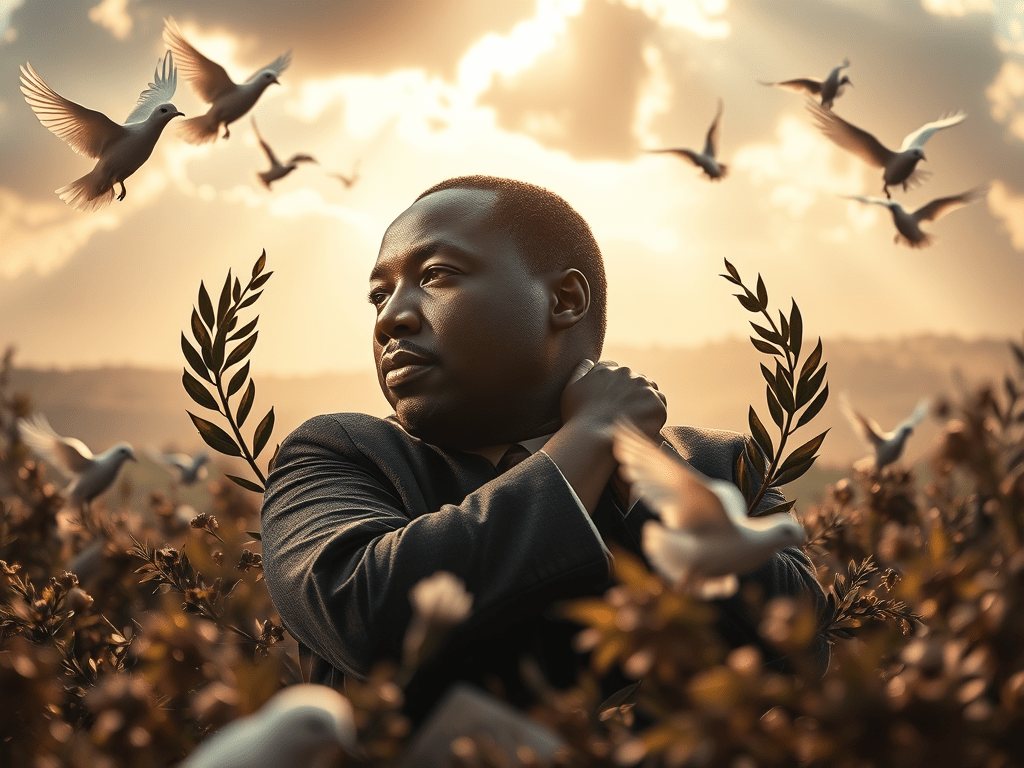
Martin Luther King Jr. left an indelible mark on history through tireless efforts to dismantle racism and foster equality. His dream of a just society resonates, especially when racial inequality persists. From a Franciscan perspective, rooted in the teachings of St. Francis of Assisi, the fight against racism is intertwined with a commitment to peace, humility, and solidarity with the marginalized.
This article explores the intersection of King’s vision and today’s racial issues through the lens of Franciscan values. By examining King’s legacy, contemporary politics, and Franciscan approaches, we aim to uncover actionable insights for addressing racism today.
The Life and Mission of Martin Luther King Jr.
Early Life and Religious Influence
Born in 1929, Martin Luther King Jr. grew up in a deeply religious household. His father, a Baptist minister, and his mother, a devoted teacher, instilled a strong moral foundation in him. King’s early exposure to the church shaped his understanding of justice, love, and the power of faith.
Core Principles of Nonviolent Resistance
King’s philosophy was heavily influenced by Christian teachings and Gandhi’s works. He championed nonviolence as the ultimate weapon against oppression, emphasizing that love and forgiveness dismantle hatred and injustice.
Key Moments in the Civil Rights Movement
From leading the Montgomery Bus Boycott to delivering the iconic “I Have a Dream” speech, King’s efforts paved the way for legislative milestones like the Civil Rights Act of 1964. His leadership mobilized a nation and inspired generations to fight for equality.
Racism in Contemporary Politics
Structural and Systemic Racism Today
Despite decades of progress, racism remains embedded in various aspects of society. Policies and practices in housing, education, and law enforcement perpetuate inequality, disproportionately affecting marginalized communities.
Polarization and Racial Divides in Modern Governance
In recent years, political rhetoric has often exacerbated racial divides. Issues like voter suppression, immigration policies, and police brutality continue to highlight the systemic nature of racism.
Key Political Events Shaping Racial Issues
Movements like Black Lives Matter underscore the urgent need for political accountability. The deaths of George Floyd, Breonna Taylor, and others have sparked nationwide protests, calling for systemic reform.
The Franciscan Lens on Racism and Justice
Foundational Principles of Franciscan Theology
Franciscans draw inspiration from St. Francis’s life of humility, poverty, and service. These principles guide their mission to stand with the oppressed and advocate for justice.
Solidarity with the Marginalized
After Christ’s example, Franciscans emphasize walking alongside those who suffer. This solidarity extends to addressing racial inequities and uplifting voices that have long been silenced.
The Commitment to Peace and Reconciliation
Franciscans believe that peace begins with reconciliation. In a world divided by racism, this commitment calls for honest dialogue and restorative practices to heal communities.
Martin Luther King Jr.’s Relevance in Today’s Political Climate
Echoes of King’s Speeches in Modern Activism
King’s words, such as “injustice anywhere is a threat to justice everywhere,” remain as relevant as ever. His speeches continue to inspire movements that challenge systemic oppression.
Lessons for Political Leaders from King’s Life
Political leaders today can learn from King’s ability to unite diverse groups toward a common goal. His emphasis on moral courage and ethical leadership offers a blueprint for enacting meaningful change.
The Enduring Call for Nonviolence and Equity
In a polarized political landscape, King’s nonviolent philosophy provides a crucial reminder of the power of love and unity. His dream challenges us to build bridges, not walls.
How Franciscans Approach Modern Racism
Community Outreach and Education Initiatives
Franciscan communities have long been committed to addressing social injustices through outreach programs. They recognize that education is a powerful tool for dismantling racism. Franciscans educate individuals about racial inequality through workshops, public forums, and school collaboration. They teach the steps needed to overcome it.
Advocacy for Policy Reform
Beyond spiritual guidance, Franciscans advocate challenging unjust laws and policies. They actively support reforms in housing, criminal justice, and voting rights to combat systemic racism. By working alongside grassroots organizations, Franciscans amplify the voices of marginalized communities in political spaces.
Embracing Diversity Within Franciscan Ministries
Franciscan ministries emphasize inclusivity, fostering communities where diversity is celebrated. Through intentional representation and dialogue, they ensure that people of all races feel valued and heard within their congregations and initiatives.
Bridging Faith and Activism
Christianity as a Unifying Force Against Racism
When lived authentically, Christianity calls for radical love and acceptance. Franciscans draw from this principle to unite individuals of all backgrounds in the fight against racism. They create a sense of collective responsibility to address injustice by focusing on shared humanity.
Interfaith Cooperation in Combating Inequality
Franciscans actively engage with other faith traditions in an increasingly diverse world to promote racial equity. Interfaith alliances strengthen the movement by pooling resources, strategies, and networks to challenge discrimination on a larger scale.
Practical Steps for Faith Communities Today
Faith communities can address racism by hosting dialogues, supporting anti-racist policies, and fostering multicultural environments. By leading by example, they can inspire broader societal change and demonstrate the transformative power of faith-based activism.
Challenges and Opportunities in Fighting Racism
Overcoming Resistance and Apathy
Addressing racism requires persistence, as resistance and apathy continue to be significant obstacles. Many individuals deny the existence of systemic racism or resist changes that disrupt the status quo. Franciscans encourage open conversations and empathy to tackle these barriers.
Addressing Intersectionality in Politics
Racism does not exist in isolation—it intersects with issues like gender, class, and immigration status. Franciscans emphasize the importance of understanding these interconnected struggles to create inclusive solutions.
Leveraging Technology for Activism
Modern technology offers unprecedented opportunities for activism. Social media platforms, for example, allow Franciscans and allies to spread awareness, organize events, and mobilize supporters quickly and effectively.
The Path Forward: A Franciscan Vision for Racial Justice
The Role of Forgiveness and Reconciliation
The Franciscan approach is centered on forgiveness and reconciliation. By fostering an environment where past wrongs are acknowledged and relationships restored, they pave the way for lasting change.
The Importance of Hope and Collective Action
Franciscans believe that hope is a powerful force for transformation. By inspiring collective action, they encourage communities to work together toward racial justice, reminding them that change is possible when united by a common purpose.
A Call for Humility and Service
True progress requires humility—a willingness to listen, learn, and serve others. Franciscans embody this principle by placing the needs of marginalized communities at the forefront of their mission.
Conclusion
Martin Luther King Jr.’s dream of a world free from racism remains a powerful vision, challenging us to confront injustice with courage and compassion. Through the Franciscan lens, his legacy inspires us to embrace humility, solidarity, and nonviolence in the fight for equality.
While racism continues to shape modern politics, King’s principles and St. Francis’s teachings offer a path ahead. Combining faith and activism can create a society where everyone is treated with dignity and respect.
Together, we can turn dreams into reality, bridging the divides of our past and building a future rooted in justice and love.
FAQs
1. What is the Franciscan approach to social justice? The Franciscan approach emphasizes humility, solidarity with the marginalized, and a commitment to peace and reconciliation, drawing inspiration from the life of St. Francis of Assisi.
2. How does Martin Luther King Jr.’s legacy inspire modern politics? King’s philosophy of nonviolence and equality continues to guide movements for justice, reminding leaders to focus on compassion, courage, and unity.
3. Why is nonviolence still relevant in today’s racial struggles? Nonviolence fosters dialogue and understanding, creating space for systemic change without perpetuating cycles of hatred and retaliation.
4. How can faith communities tackle systemic racism? Faith communities can host educational programs, advocate for policy reforms, and create inclusive spaces that promote diversity and equality.
5. What steps can individuals take to combat racism today? Individuals can educate themselves about systemic racism, support anti-racist policies, engage in community activism, and challenge discrimination in their daily lives.
This article explores the Franciscan perspective of Christmas as a call for humility and solidarity with the marginalized, rooted in St. Francis of Assisi’s teachings. The Nativity emphasizes shared values across faiths, advocating for compassion and justice, particularly for the poor. It urges all to embody these principles in action during the Christmas season.
By Mike Carsten OFS
Introduction
Through a Franciscan lens, Christmas is more than a celebration of Christ’s birth—it is a profound call to embody divine humility and solidarity with the marginalized. St. Francis of Assisi’s timeless spirituality resonates within Christianity and offers a bridge for ecumenical and inter-religious dialogue. The story of Greccio and the Nativity invites people of all traditions to reflect on the shared values of simplicity, humility, and care for the vulnerable. This article explores the Franciscan approach to Christmas, enriched by its connection to a preferential option for the poor, drawing insights from interfaith values and the transformative power of compassion.
The Greccio Nativity: A Universal Message of Humility
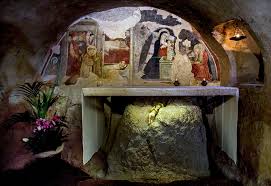
St. Francis of Assisi’s creation of the first Nativity scene in Greccio, Italy, in 1223 transcends its Christian origins. In staging the birth of Christ amidst a humble manger with livestock, Francis sought to awaken a profound sense of shared humanity. This act emphasized that God chose to enter the world not through power or wealth but in utter simplicity and poverty. For Francis, the manger was not just a Christian symbol—it was a universal emblem of humility and the dignity inherent in all life (Thomas of Celano, First Life of St. Francis).
The Greccio reenactment invites reflection across faith traditions. In Judaism, humility is extolled as a central virtue (Proverbs 22:4), while Islam emphasizes care for the vulnerable and an egalitarian view of humanity (Qur’an 49:13). Likewise, Buddhist teachings on simplicity and detachment from materialism align with Francis’s message of Christ’s humble birth (Buddha’s Dhammapada). Focusing on shared values, the Nativity scene becomes a space where ecumenical and inter-religious communities can gather in solidarity and dialogue.
A Preferential Option for the Poor
At its heart, the Christmas story aligns with a “preferential option for the poor”—a principle that prioritizes the needs of society’s most vulnerable. The birth of Christ in a manger speaks powerfully to God’s identification with the marginalized. Francis’s life and teachings echoed this commitment, as he chose to live among the poor, serving them with humility and love (Bonaventure, Major Life of St. Francis).
In today’s world, this message remains urgent. Whether advocating for economic justice, addressing systemic inequality, or extending care to those displaced by conflict, the Nativity invites us to engage in transformative action. The Greccio Nativity was not merely a reenactment—it was a call to see the face of God in the poor and to respond with compassion and justice (Pope Francis, Fratelli Tutti).
The Altar: A Place of Rebirth and Solidarity
The Franciscan tradition connects the manger to the altar, highlighting the Eucharist as the community’s perpetual rebirth of Christ. The altar, adorned with the Nativity scene during Christmas, symbolizes the unity of divine love and human dignity. This connection challenges believers to embody Christ’s humility and extend it through acts of justice and mercy (Springer Link: Theological Reflections on Franciscan Traditions).
In this light, the Eucharist becomes not just a sacred ritual but a reminder to address the pressing needs of our world. For Francis, celebrating Mass over the manger was a bold declaration that Christ is present wherever people strive to uplift the poor and heal the broken. This message transcends denominational boundaries, inviting all who seek justice to find common ground.
Interfaith Reflections on Poverty and Justice
The Nativity story resonates with the ethical teachings of many faith traditions. In Judaism, the concept of tikkun olam (repairing the world) calls for addressing poverty and inequality (Mishnah Avot 2:21). Islam’s zakat (charitable giving) underscores the obligation to care for the poor (Qur’an 2:177), while Hinduism’s principle of dāna emphasizes selfless giving (Bhagavad Gita 17:20). These shared commitments to justice and compassion echo Francis’s vision of Christmas as a time for humility and service.
Modern interfaith efforts have embraced these shared values. Pope Francis’s encyclical Fratelli Tutti calls for global solidarity and dialogue, urging people of all faiths to unite in caring for the vulnerable (Pope Francis, Fratelli Tutti). This vision aligns seamlessly with St. Francis’s teachings, making the Nativity a powerful symbol of unity in diversity.
The Call to Action
Christmas is not merely a historical event but an ongoing invitation to embody divine love and solidarity with the poor. The Nativity challenges us to examine our lives and communities, asking how to make a “preferential option for the poor a reality.” Whether through advocacy, service, or interfaith collaboration, we are called to reflect the humility of the manger in our actions.
Conclusion
From this Franciscans perspective, Christmas celebrates humility, justice, and solidarity. The Nativity at Greccio offers a universal message that transcends religious boundaries, calling us to embrace a “preferential option for the poor” and to build a more compassionate world. As we gather around the altar or reflect on the manger, may we be inspired to act with humility and love, drawing strength from the shared values that unite humanity.
May the peace and justice of Christ’s birth guide us all this Christmas season.
“Glory to God in the highest, and on earth peace to all people of goodwill.”
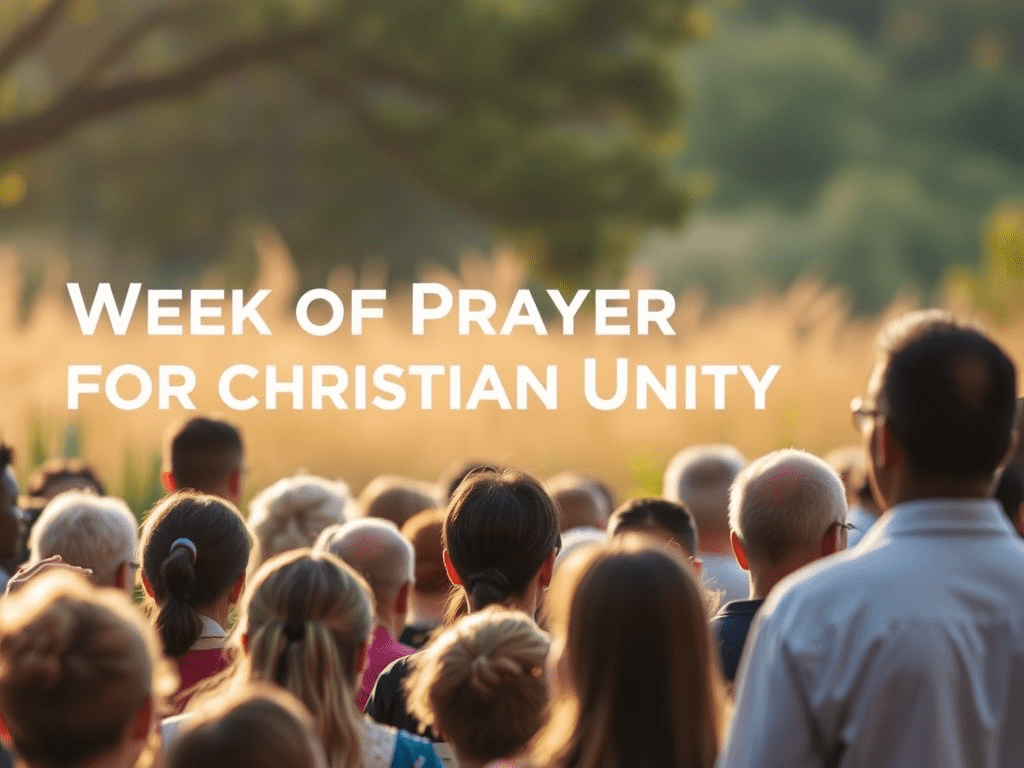
The Week of Prayer for Christian Unity, held annually from January 18 to January 25, invites global Christians to pray for unity. With themes focusing on justice and love, the Franciscan tradition emphasizes humility and reconciliation. The Joint Committee on Franciscan Unity promotes dialogue and collaboration among Franciscans, aiming for healing and inclusivity.
By Mike Carsten OFS
As Franciscans, we are called to live out the Gospel in humility, simplicity, and love for all creation. This spirit is critical during the Week of Prayer for Christian Unity. This annual event invites Christians worldwide to join in prayer and reflection for the unity of all believers in Christ.
Dates and Themes
The Week of Prayer for Christian Unity is observed from January 18 to January 25 each year. These dates were chosen to coincide with the feasts of the Confession of Saint Peter (January 18) and the Conversion of Saint Paul (January 25), symbolizing the unity and mission of the Church.
2024 Theme: “Do Good; Seek Justice” (Isaiah 1:17). This theme calls us to reflect on our actions and attitudes towards justice, mercy, and reconciliation, echoing the Franciscan commitment to peace and social justice.
2025 Theme: “Abide in My Love… You Shall Bear Much Fruit” (John 15:5-9). This theme emphasizes the importance of remaining in Christ’s love to bear the fruits of unity and peace in our communities and the world.
Historical Background
The Week of Prayer for Christian Unity was first proposed in 1908 by Father Paul Wattson, an Anglican priest who later became a Catholic. Since then, it has grown into a global ecumenical movement supported by the World Council of Churches and the Pontifical Council for Promoting Christian Unity.
Franciscan Participation
As Franciscans, we participate this week with a deep sense of our charism. Our founder, Saint Francis of Assisi, was a man of peace and reconciliation. His encounter with the Sultan during the Fifth Crusade is a powerful example of dialogue and mutual respect. Inspired by his example, we pray, dialogue, and act to promote unity among Christians and peace.
A Call for Healing Within Catholicism
In addition to fostering unity among different Christian denominations, there is a pressing need within Catholicism to bridge divides and bring healing to our polarized family. Pope Francis reminds us, “To understand one another, and to grow in charity and truth, we need to pause, to accept and listen to one another. In this way we already begin to experience unity”[1]. The Franciscan spirit of humility, dialogue, and reconciliation can guide us in addressing internal conflicts and fostering a more inclusive and compassionate Church. By embracing our shared faith and focusing on the love of Christ, we can work towards healing wounds and building a stronger, more united Catholic community.
Recognizing and Promoting Unity Within the Franciscan Family
It is also essential to recognize and celebrate the contributions of non-Catholic members of the Franciscan family. The Third Order Society of St. Francis (TSSF), the Order of Ecumenical Franciscans (OEF), and the Order of Lutheran Franciscans (OLF) all embody the Franciscan charism uniquely. Their commitment to living out the values of Saint Francis enriches the broader Christian community and strengthens our collective witness to the Gospel. Pope Francis encourages us, “Unity happens when we walk together”[2]. Let us walk together with our non-Catholic Franciscan brothers and sisters, united in our shared mission of peace, justice, and reconciliation.
The Joint Committee on Franciscan Unity, established in 2004, plays a crucial role in fostering this unity. This committee includes representatives from the Order of Secular Franciscans (OFS), the Third Order Society of St. Francis (TSSF), and the Order of Ecumenical Franciscans (OEF). The committee’s mission is to bear witness to the essential unity of the Church by working towards Franciscan unity in all its expressions[3].
The Joint Committee has organized numerous conferences and initiatives to bring together Franciscans from different traditions. These events focus on shared Franciscan principles and promote dialogue, understanding, and collaboration. By highlighting common values and fostering mutual respect, the committee helps to strengthen the bonds within the Franciscan family and advance the cause of Christian unity.
Promoting Unity Among All Franciscans
Promoting unity among all Franciscans, regardless of their specific traditions or affiliations, involves several key actions and attitudes:
Embrace Common Values: Focus on the core Franciscan values that unite all branches of the Franciscan family, such as humility, simplicity, peace, and care for creation. These shared values can serve as a foundation for unity.
Encourage Dialogue and Collaboration: Create opportunities for dialogue and collaboration among different Franciscan groups. This can include joint prayer services, retreats, and social justice initiatives. Open and respectful communication helps build mutual understanding and trust.
Celebrate Diversity: Recognize and celebrate the diversity within the Franciscan family. Each branch brings unique perspectives and gifts that enrich the whole. We can foster a more inclusive and harmonious community by appreciating these differences.
Shared Formation Programs: Develop shared formation programs that unite members from different Franciscan traditions. These programs can focus on Franciscan spirituality, history, and mission, helping to build a sense of shared identity and purpose.
Joint Social and Environmental Initiatives: Collaborate on social and environmental projects that reflect Franciscan values. Working together on common causes, such as poverty alleviation, peacebuilding, and environmental stewardship, can strengthen bonds and demonstrate unity in action.
Regular Communication: Regularly communicate through newsletters, social media, and other platforms. Sharing news, stories, and reflections from different Franciscan communities can help keep everyone connected and informed.
Prayer for Unity: Incorporate prayers for unity into personal and communal prayer practices. Asking for God’s guidance and blessing on efforts to promote unity can be a powerful way to keep this goal at the forefront of our minds and hearts.
Support from Leadership: Encourage leaders within the Franciscan family to actively promote unity. Their support and example can inspire others to work towards greater collaboration and understanding.
Educational Resources: Develop and share resources highlighting Franciscans’ common heritage and mission. This can include books, articles, and online courses that explore the life and teachings of Saint Francis and the Franciscan tradition.
Annual Gatherings: Organize gatherings or conferences that bring Franciscans from different branches together. These events can provide opportunities for learning, fellowship, and mutual support.
Catholic Church’s Teaching on Christian Unity
The Catholic Church’s teaching on Christian unity can be found in several key documents:
Unitatis Redintegratio (1964): This decree from the Second Vatican Council emphasizes the importance of ecumenism and the Church’s commitment to Christian unity. It states, “The restoration of unity among all Christians is one of the principal concerns of the Second Vatican Council”[4].
Ut Unum Sint (1995): Pope St. John Paul II’s encyclical on ecumenism reiterates the Church’s dedication to the ecumenical movement. He writes, “The Catholic Church embraces with hope the commitment to ecumenism as a duty of the Christian conscience enlightened by faith and guided by love”[5].
The Bishop and Christian Unity: An Ecumenical Vademecum (2020): This document from the Pontifical Council for Promoting Christian Unity provides bishops guidelines for promoting Christian unity. It highlights the bishop’s role in fostering ecumenism and states, “The bishop’s ecumenical engagement is not an optional dimension of his ministry but a duty and obligation”[6].
Conclusion
The Week of Prayer for Christian Unity is a time for us to unite as one body in Christ, seeking to overcome divisions and build a world of justice and peace. As Franciscans, let us embrace this opportunity with the same fervor and humility that characterized Saint Francis, working tirelessly for the unity and well-being of all God’s children. Pope Francis encourages us, “Unity happens when we walk together”[2]. Let us take this journey together, inspired by the love of Christ and the example of Saint Francis.
May this week be a blessed time of reflection, prayer, and action for all who seek the unity of Christ’s followers.
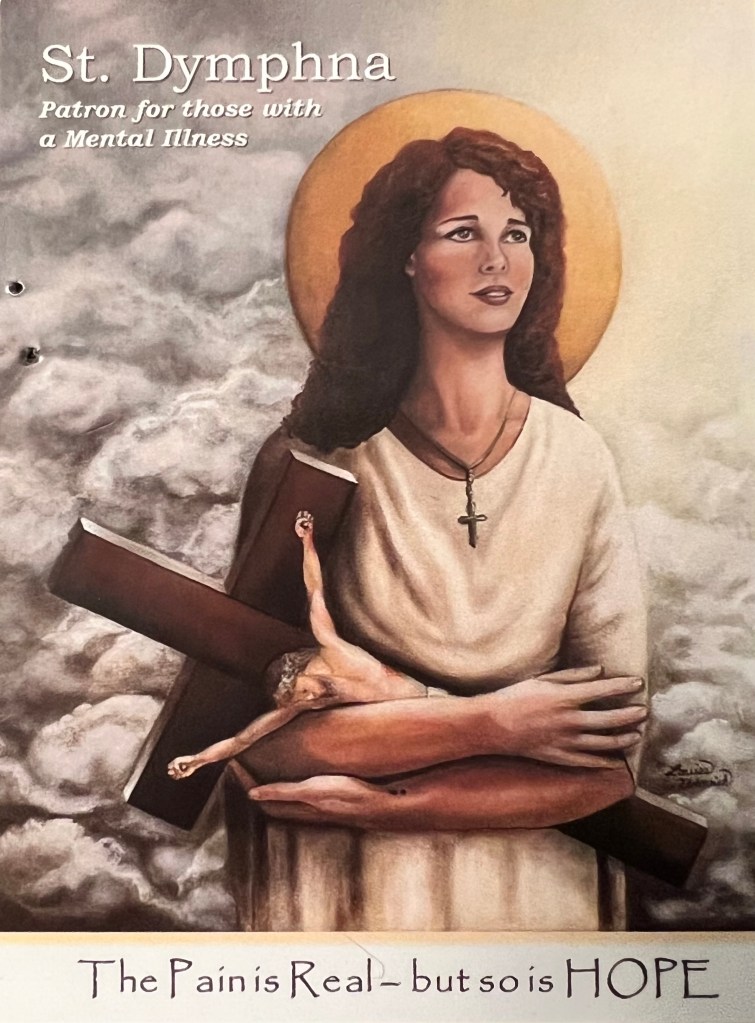
St. Dymphna: Patron Saint of Mental Illness and Emotional Distress
St. Dymphna’s life is a source of inspiration for many, particularly those who suffer from mental illness and emotional distress. Born in Ireland in the 7th century, Dymphna grew up in the Christian faith under the guidance of her mother. However, her life took a tragic turn when her mother passed away, and her father, consumed by grief, developed an unhealthy obsession with his daughter. He demanded that she marry him, and when she refused, he became enraged and threatened to kill her.
Fleeing with her confessor, St. Gerebernus, Dymphna settled in the town of Geel in Belgium, where she dedicated her life to serving the poor and the sick. She used her wealth to build a hospital and a church and became known for her charity and compassion. However, her father eventually tracked her down in Geel and demanded that she return with him and marry him. When she refused, he killed her and St. Gerebernus.
St. Dymphna’s legacy lives on to this day as a powerful intercessor for those who suffer from mental illness and emotional distress. Her story reminds us that even in the darkest moments of our lives, we can find hope and solace in our faith.
As Franciscans, we are called to follow in the footsteps of St. Francis and embrace a life of poverty, humility, and service. St. Dymphna’s example reminds us that we can use our own gifts and resources to make a difference in the lives of others, even in the face of adversity.
Importance of Mental Health Support
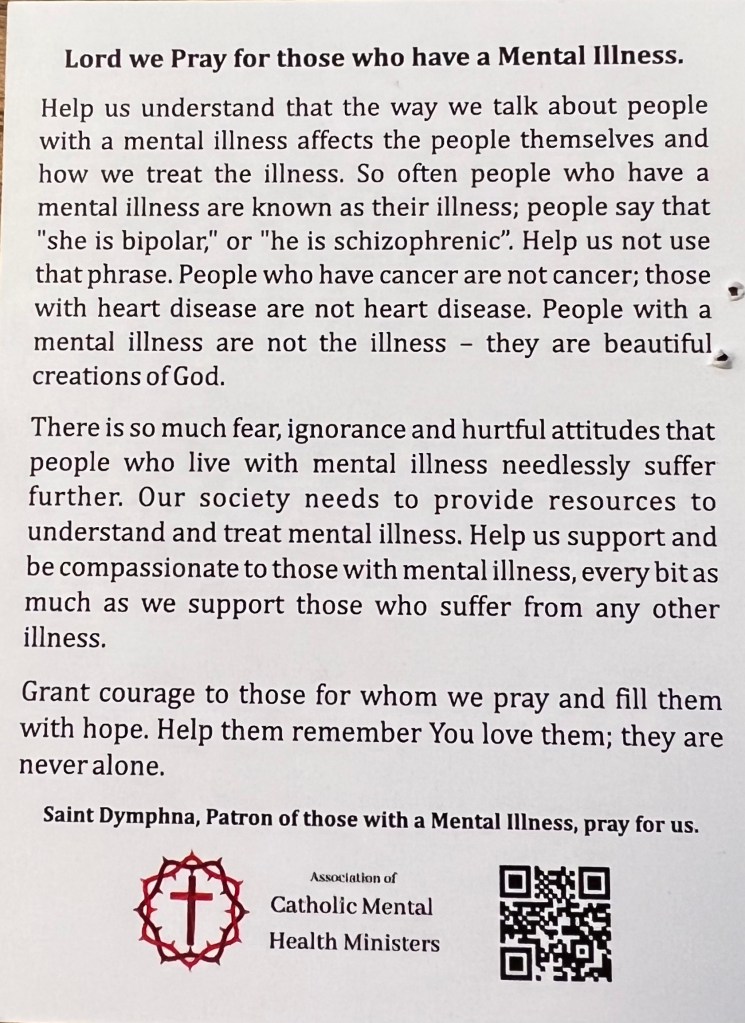
St. Dymphna’s story is particularly relevant today, as mental illness and emotional distress affect millions in the United States. Her life teaches us about the importance of caring for the emotional and spiritual needs of those around us as well as their physical needs. We must be willing to lend a listening ear, offer comfort and encouragement, and provide support and resources to struggling people.
We must educate ourselves and others about mental health issues to follow in St. Dymphna’s footsteps. By breaking down the stigma surrounding mental illness and promoting open and honest conversations, we can create a more inclusive environment for those facing these challenges.
Advocating for accessible mental health care and resources within our communities is another way to honor St. Dymphna’s legacy. As Franciscans, we are called to work towards social justice and equality, and ensuring that everyone has access to the care and support they need is a crucial part of this mission.
The Power of Resilience and Faith
St. Dymphna’s life also teaches us about the power of resilience and the transformative impact of faith. Despite her challenges and obstacles, St. Dymphna remained steadfast in her commitment to serving others and trusting God’s plan. As Franciscans, we, too, are called to persevere in our faith and trust in God’s love, even when faced with adversity.
Through her example, St. Dymphna continues to inspire us to live lives of humility, compassion, and faith. By putting these principles into action, we can make a lasting impact on the lives of those around us and honor the memory of this remarkable saint.
Conclusion
St. Dymphna’s life inspires and guides many, particularly those struggling with mental illness and emotional distress. Her example reminds us of the importance of caring for the emotional and spiritual needs of those around us, advocating for accessible mental health care and resources, and relying on our faith to overcome adversity. May we all strive to follow St. Dymphna
Today, political violence is a significant issue. From terrorist attacks to civil unrest, the need for understanding and action is dire. The Secular Franciscan Order (OFS) can provide a unique perspective on this problem. This Order has a long history of advocating for peace and justice, which provides valuable insight into this pressing issue. In this article, we will explore the OFS’s perspectives on political violence and how it can be used to bring about positive change in our world.
The Secular Franciscan Order began as part of the Franciscan movement in 1209, founded by St. Francis of Assisi. This Order was created to live a life of simplicity and poverty and to strive for holiness through active service to others. Through their commitment to these values, the OFS has become known as an advocate for social justice and peacemaking throughout their long existence.
Political violence has taken on an increasingly destructive tone in recent years worldwide. With no end in sight, we must look at new ways of addressing this issue. By examining the views of the OFS on this problem and exploring viable solutions they may provide, we can work towards finding real-world solutions that benefit us all. We hope that through this article, readers will understand how we can use the principles of the Secular Franciscan Order to create a better future for all people affected by political violence today.
History Of the Secular Franciscan Order
The Secular Franciscan Order (OFS) is a Catholic order of lay people, including bishops, priests, and deacons, who follow the spiritual example of St. Francis of Assisi. Founded in 1209 and receiving its original Rule in 1221, the OFS is one of the oldest religious orders in the world. Its members live in their own homes and have secular jobs but remain committed to following a Rule of Life like that set by St. Francis for his brothers. This includes committing themselves to poverty, humility, self-denial, service to others, and prayer.
Today, there are more than 300,000 members worldwide. They are active in many fields, including education, healthcare, social work, and disaster relief efforts. In addition to serving their local community, they often participate in international work such as peace initiatives and human rights campaigns. They also offer spiritual support to those suffering from physical or mental illness or disability and guide ethical decision-making.
Today’s Secular Franciscans strive to bring peace through nonviolent means such as dialogue, diplomacy, and advocacy for justice. Instead of relying solely on force or coercion when faced with complex decisions or conflicts, Secular Franciscans look for ways to create understanding and mutual respect among all parties involved so that everyone can peacefully benefit from resolving disputes. They recognize that political violence is not a solution to any problem or conflict; instead, it leads only to further suffering for all parties involved. The OFS encourages its members to use peaceful interventions when possible and always seek nonviolent solutions.
Principles Of the Secular Franciscan Order
The Secular Franciscan Order (OFS) is guided by four core principles: charity, humility, nonviolence, and poverty. These principles are the foundation of their mission to bring peace and justice to the world.
Charity is a cornerstone of the OFS’s mission. Members are encouraged to reach out with love and compassion towards everyone, regardless of race or religion. They strive for understanding between diverse cultures to create unity amongst all people on earth.
Humility is another important principle for members of the OFS. They seek to be humble in thought, word, and deed to become more like Jesus Christ and serve as an example for others. This entails abandoning pride, arrogance, and selfishness in favor of a life devoted to serving God and others.
Nonviolence is essential in achieving their goal of peace throughout the world. The OFS passionately believes that violence leads only to further suffering; therefore, they rely on peaceful means such as dialogue, diplomacy, and advocacy when faced with demanding situations or conflicts.
Poverty is an essential part of the OFS’s way of life. Members embrace a life of simplicity and voluntary poverty to remain detached from material possessions and focus on spiritual matters. This helps them understand the needs of the less fortunate and encourages them to share what they have with others.
Considering these principles, members of the Secular Franciscan Order reject any form of political violence today and any other violent behavior that does not promote peace or respect for human dignity. Their commitment to nonviolence demonstrates their dedication to creating a better world through nonviolent means for everyone involved.
Current Practices of The Secular Franciscan Order
As part of their mission to bring peace and justice to the world, members of the Secular Franciscan Order strive to intentionally live the Gospel of Jesus. They actively advocate for change and engage in peaceful dialogue with those who differ from them.
The OFS is dedicated to working towards a more just and equitable society. They often participate in marches and protests and volunteer in their local communities. They also work with other faith-based organizations, such as Catholic Charities, to aid those in need. Additionally, they use social media platforms such as Facebook and Twitter to spread messages of peace and hope worldwide.
The relationship between religion and politics is complex. While the Secular Franciscan Order rejects all forms of violence, they understand that there are times when people must take a stand against oppressive political systems. They acknowledge that religion can powerfully influence society and politics and strive to use their faith to foster peace and justice.
Secular Franciscans recognize the need for leaders who embody moral principles and ethics to bring about real change. They believe in holding those in power accountable for their actions and working with them to achieve positive outcomes. The OFS also encourages and engages with other faiths, recognizing our shared humanity and striving for mutual understanding and respect.
At the heart of the Secular Franciscan Order is a commitment to nonviolence. This commitment extends beyond physical violence; it includes speaking out against policies or behaviors that hurt or oppress people, regardless of their faith or beliefs. They strive not only to protect themselves from harm but also to protect others from injustice or oppression. By advocating for justice and peace, members of the Secular Franciscan Order hope to create a more fraternal and just world.
Global Political Violence Today
Today, the world is facing a wide range of political violence. From civil wars and terrorism to oppressive regimes and economic injustice, the list of problems that need to be addressed seems endless. Secular Franciscans take a firm stance against all forms of violence, recognizing it as an affront to the dignity of human life and a violation of fundamental human rights. They strive to foster peace through education, collaboration, and understanding, believing these are essential for lasting change.
The OFS also encourages its members to actively participate in society through political or social activities promoting justice, peace, and respect for human life. They recognize that although violence may seem like an efficient way to achieve specific goals in the short term, it will only lead to further suffering eventually. As such, they advocate for nonviolent approaches to conflict resolution that prioritize dialogue over force or coercion.
Finally, members of the Secular Franciscan Order strive to live out their faith by example. Through acts of compassion and mercy, they seek to bring about positive change in their communities. By embodying moral principles and setting an example of peacemaking, they hope to inspire others around them who may be struggling with complex decisions or facing oppressive systems. In this way, they seek to create a culture of justice and nonviolence, which can help bring lasting change in our world today.
The Role of Religion in Political Violence
Religion has long been a source of hope and solace for many people, but it can also be used to fuel political violence. As members of the Secular Franciscan Order, we must know how religion is used to justify acts of aggression, oppression, and injustice. We must strive to counter this by showing that faith is not a tool for exclusion or domination but rather a source of peace and acceptance.
The OFS recognizes that all religions have the potential to inspire love and compassion among their followers. However, they also understand that when such teachings are misused or taken out of context, they can lead to societal divisions or even violence. Therefore, they encourage their members to promote understanding between different religious groups and work towards creating an environment where all faiths can peacefully coexist.
In addition, Secular Franciscans believe in speaking out against unjust systems that rely on religion as a form of control or manipulation. They recognize that these forms of oppression are antithetical to the message of peace and justice central to most beliefs today. As such, they urge their members to stand up for those who suffer from religious persecution or discrimination and challenge any attempts by influential individuals or groups to use religion to consolidate power or enforce outdated laws.
The Secular Franciscan Order believes in the potential for religion to bring about positive change in our world today if it is used correctly. By actively promoting dialogue between different faiths and acting against oppressive systems relying on religious rhetoric, we can work together to create a more peaceful future for everyone.
Causes Of Political Violence Today
While religion has often been a source of violence in the past, there are numerous other causes of political violence today. It is often rooted in poverty and inequality, as those denied fundamental human rights are likelier to resort to violence out of desperation. Additionally, oppressive regimes can lead to feelings of anger and injustice, which can manifest as violent acts against the state or its representatives.
Furthermore, the rise of extremist ideologies has also played a significant role in fueling political violence. These ideologies often call for a radical transformation of society through force and coercion, disregarding human rights and democratic principles in pursuit of their goals. As such, they can lead to serious conflict between groups and individuals with different beliefs or backgrounds.
The spread of hate speech on social media has also impacted political violence, enabling extremists to spread their messages quickly and easily across borders. This type of rhetoric can incite individuals to act and give them the courage to commit acts they may not otherwise do without such encouragement.
It is clear that while religion has been a source of tension throughout history, multiple causes of political violence must be addressed to create a more peaceful world. We must work together to understand the underlying issues behind these conflicts and find solutions prioritizing dialogue over aggression. Only by doing so can we foster meaningful change within our societies and prevent further bloodshed.
Impact Of Political Violence on Society
The impact of political violence on society is far-reaching and can be devastating. It leads to loss of life, physical destruction, and economic damage and can also lead to long-term psychological trauma for those affected. For example, individuals may experience anxiety, depression, or post-traumatic stress disorder due to their experiences in war or conflict zones. This can enormously impact their daily lives and their ability to function in society.
Moreover, political violence often leads to the breakdown of social trust within communities. When people do not feel safe expressing their beliefs or engaging in peaceful protest, they become more distrustful of each other, which can lead to further divisions and hostility. It is particularly true when violence is used as a tool for repression by governments or powerful groups to maintain control over the population.
Finally, political violence has a profound effect on democracy and human rights. When those in power use fear as a weapon, citizens cannot participate fully in democratic processes or hold their leaders accountable for their actions. It makes it difficult for democracies to function correctly, leading to further instability and unrest if the underlying causes are not addressed.
It is clear then that political violence has profound consequences for victims and society. Suppose we are to create a more secure future with tremendous respect for human rights and democratic principles. In that case, we must work together to understand these issues and find ways to prevent further violence.
Strategies For Resolving Conflict Within and Among Nations
Political violence can have a devastating effect on individuals, communities, and nations. Developing strategies for resolving conflicts within and among nations is essential to prevent further violence and create more closed societies.
One approach to conflict resolution is dialogue. By engaging in constructive dialogue with those who may hold different views or come from diverse backgrounds, we can better understand one another’s perspectives and identify areas of common ground. This can lead to more effective problem-solving by allowing all parties involved to express their needs and concerns without fear of retribution or violence.
Additionally, international organizations such as the United Nations and Franciscans International are crucial in mediating disputes between nations and preventing the escalation of violence. Through diplomatic efforts such as sanctions, peacekeeping forces, and negotiation processes, the UN has been able to help de-escalate conflicts around the world and promote respect for human rights.
Finally, faith-based organizations can also be powerful agents of peace. The Secular Franciscan Order offers a unique model for conflict resolution based on principles of nonviolence, justice, compassion, and collaboration. By building bridges between people of different faiths and recognizing our shared humanity, the Secular Franciscan Order works towards creating a more peaceful world free from political violence.
Implications For the Future
The strategies discussed above provide a valuable framework for addressing political violence today and in the future. To ensure that these strategies are effective in curbing violence, it is essential to continue promoting dialogue and understanding among those with differing perspectives. International organizations must also remain committed to conflict resolution efforts and work with local communities to ensure their rights are respected. Finally, faith-based organizations such as the Secular Franciscan Order can exemplify peaceful collaboration between people of diverse backgrounds and beliefs.
As societies become increasingly interconnected, it is essential that we recognize our shared humanity and strive for peace rather than allow political violence to tear us apart. By continuing to practice dialogue and respect for all peoples, we can foster a more secure world free from fear and oppression. In this way, we can help build a brighter future where everyone is safe from harm and can live with dignity and respect.
Frequently Asked Questions
What Is the Optimal Approach to Resolving Political Violence?
Political violence has been a part of human existence for centuries, and its effects have been devastating. Political violence is rising in many parts of the world, making it an increasingly pressing issue. So, what is the optimal approach to resolving this issue?
One method of tackling political violence is to focus on education and awareness-raising. Educating people about the consequences of political violence can help reduce its prevalence. Additionally, providing information about peaceful alternatives to violent means of expression can help people find alternative methods to express their grievances without violence. This can be done through workshops, seminars, and other educational activities.
To successfully resolve any political conflict or dispute, all stakeholders involved must be willing to compromise and reach an agreement that meets everyone’s needs while avoiding further escalation of tensions. Achieving such an outcome requires careful consideration of both sides’ interests and perspectives for a successful resolution. It may not always be easy, but peaceful solutions can be found with dedication and patience, even in intractable political violence situations.
How Do Religious Beliefs Influence Political Behavior?
Religious beliefs play an essential role in shaping political behavior, and this impact can be seen in different faiths, including Catholic, Christian, Muslim, and Jewish communities. How do these religious beliefs influence political behavior and critical issues such as immigration, taxation, abortion, and global warming? Let’s explore how different faith backgrounds impact political views and how people of other faiths interact.
Christian Influence on Political Behavior.
In particular (and for purposes of this reflection), Catholicism is a widespread religion that has a significant impact on political behavior. Catholic teachings emphasize social justice and the sanctity of human life. These beliefs have led to the Catholic Church’s strong stance against abortion, capital punishment, and war. Catholicism teaches Christians to care for the poor and marginalized, which has led to the church’s support of policies such as social welfare programs and immigration reform.
Jewish influence on Political behavior.
Judaism is the oldest Abrahamic religion and has an extraordinary impact on political behavior. Jewish teachings emphasize the importance of justice, compassion, and tikkun olam, or repairing the world. These beliefs have led to Jewish support for policies such as social welfare programs, economic development, and peace initiatives. Additionally, the Jewish community has a strong stance on issues such as immigration and global warming.
Islamic Influence on Political Behavior.
Islam is the second-largest religion globally and significantly impacts political behavior. Islamic teachings emphasize the importance of social justice, charity, and equality. Muslims believe in building solid and harmonious communities and working towards a better society. These beliefs have led to Muslim support for social welfare programs, economic development, and environmental protection policies.
Interacting with different faiths. In today’s diverse world, people of different faiths must learn to interact with one another respectfully. Interfaith dialogue is critical to promoting understanding and tolerance between other faith communities. Through discussion, people can learn about different religious beliefs, cultures, and values and find common ground on critical political issues.
Different faith backgrounds and political beliefs. While religious beliefs play a significant role in shaping political behavior. It’s important to remember that people of the same faith can have vastly different political ideas. Race, ethnicity, gender, and socioeconomic status can all impact an individual’s political views. Therefore, it’s essential to approach discussions about politics and religion with sensitivity and respect.
Secular Franciscan Order (OFS). Members of the OFS are committed to following the teachings of Jesus Christ and seeking peace through nonviolent means. Through prayer and service, they strive to bring about a more peaceful and just world. and show respect for everyone regardless of religious background or political affiliation. The OFS’s commitment to peace exemplifies everyone striving toward peaceful solutions rather than violent acts. As members of the OFS they work towards peaceful solutions to today’s political violence, and their religious beliefs guide them.
The teachings of Jesus provide an example of how to treat others with compassion and respect regardless of differences in opinion or background. Furthermore, their belief in nonviolence encourages them to seek constructive dialogue over violent confrontation when resolving conflicts between diverse groups or nations.
How Does the Secular Franciscan Order Address Global Political Violence?
The Secular Franciscan Order (OFS) is an order of faithful, faith-filled people who strive to uphold a moral code that guides their behavior in the face of political violence. The Order’s primary mission is to promote peace and justice in the world, and the teachings of St. Francis of Assisi have shaped its vision of global peace. As such, it is essential to understand how the OFS addresses political violence in today’s world.
The OFS operates under the principles of nonviolence and pacifism, which they believe will lead to greater peace and justice among nations. They seek to foster understanding between people through dialogue and education, believing that communication and compassion can help prevent conflicts from escalating into violence. Additionally, they advocate for social change through peaceful means, such as lobbying lawmakers and engaging in nonviolent civil disobedience campaigns.
To effectively address global political violence, believers within the OFS need to remain committed to their values of nonviolence and pacifism while continuing to raise awareness about human rights abuses and providing aid where needed. By living out their beliefs through these initiatives, members of the Secular Franciscan Order are helping bring peace one person at a time worldwide.
What Is the Relationship Between the Secular Franciscan Order and Politics?
The relationship between the Secular Franciscan Order and politics is an important one to consider. It reflects how the Religious Orders view their role in modern society, particularly regarding issues of global political violence. This article has explored the Secular Franciscan Order’s stance on politics and how it may be applied in today’s world.
Regarding their political engagement, the OFS actively encourages dialogue between conflicting parties and promotes cooperation. They also aim to bridge gaps between religious denominations while working towards greater understanding and mutual respect. Additionally, they focus on providing humanitarian aid to those affected by conflict or poverty and educating others about global issues that affect our lives today.
The work done by members of the OFS demonstrates that they are committed to making a difference in today’s world despite any political divides. Through their commitment to peace-building, human rights education, and interfaith dialogue, members of the Secular Franciscan Order strive for justice for all people, regardless of race or religion. Their efforts are essential for creating a more peaceful world where everyone can live together with respect and understanding, without fear or violence from those who seek power over others.
What Are the Main Causes of Political Violence Around the World Today?
Political violence is a significant issue that has plagued the world for generations and continues to be an issue today. It can take on many forms, from physical acts of aggression to oppressive laws, and its causes are complex and varied. To effectively address political violence, it is essential to understand the main factors driving this global phenomenon.
Economic inequality.
One of the key drivers of political violence is economic inequality. When dominant groups control resources and access to power, they may use their position to oppress others who lack financial means or political influence. This often leads to violent outbursts by those who feel their rights have been violated or ignored. Additionally, poverty can lead to desperation and a lack of hope which can drive individuals towards more powerful means of expressing their grievances.
Ideological differences.
Another factor in political violence is ideological differences. While some conflicts arise from economic disparity or historical legacies, others flare up due to opposing beliefs about how society should be organized or governed. Religious beliefs and national identities can also play into this dynamic as people struggle for dominance within a particular system or group.
Power imbalances
Finally, power imbalances between different actors within a given society can also contribute to political unrest and violence. When one group has more authority than another, it can lead to resentment among those without power, which may manifest itself in violent behavior as individuals attempt to gain control over their own lives and destinies. Furthermore, when certain groups are systematically excluded from decision-making processes or denied fundamental rights, this can increase tensions, eventually resulting in violent conflict.
There are multiple causes behind the global problem of political violence that need to be addressed if we want to make lasting progress in reducing the situation worldwide. Understanding these underlying factors will enable us to respond better with more effective solutions focusing on addressing root causes rather than simply responding with force when these issues arise.
Conclusion
The Secular Franciscan Order provides a unique perspective on addressing political violence. The Order emphasizes nonviolence, forgiveness, and reconciliation as the optimal approach for resolving political violence. It encourages people to rely on their faith to guide them in making decisions that will lead to peace. As a result, religious beliefs can significantly impact how people behave in politically charged situations and how they view the world around them.
Political violence is an ongoing problem in many parts of the world today. To combat it effectively, we must look at all viable solutions and understand the root causes of violence. We must continue to seek out ways to find common ground between diverse cultures and religions if we are ever going to find lasting solutions to political violence. The Secular Franciscan Order offers a valuable perspective on this issue and provides an example of how religious beliefs can be used to promote peace.
The Secular Franciscan Order is an important reminder of faith’s power in our lives and its potential for creating positive change in our world. By promoting nonviolence, forgiveness, and reconciliation, the Order serves as a beacon of hope in times of conflict and strife. We must look towards organizations like this one for guidance when confronting the challenges of political violence today.
Organizations supported by the OFS working worldwide for Peace and Justice.
Franciscans International – “Franciscans International advocates at the United Nations for the protection of human dignity and environmental justice.”
Franciscan Action Network – “is a collective Franciscan voice seeking to transform United States public policy related to peacemaking, care for creation, poverty, and human rights.”
OFS-USA National – Justice, Peace, and Integrity of Creation (JPIC) Commission
“The mission of Justice, Peace, and Integrity of Creation is to assist the professed Secular Franciscans as they reflect on their relationship with God as manifested in the fruits of conversion in their lives. This is with special regard to the daily choices made in justice, peacemaking, and respect for all created things and people; as brothers and sisters of penance, bringing life to the Gospel and the Gospel to Life.”