
By Mike Carsten OFS
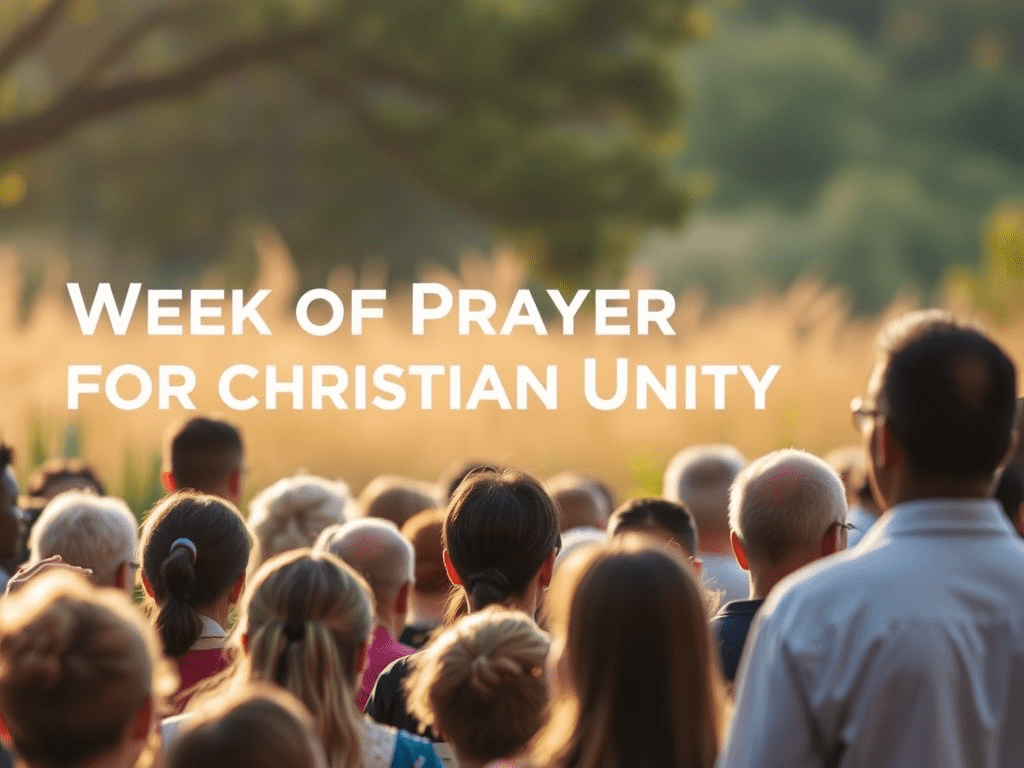
As Franciscans, we are called to live out the Gospel in humility, simplicity, and love for all creation. This spirit is critical during the Week of Prayer for Christian Unity. This annual event invites Christians worldwide to join in prayer and reflection for the unity of all believers in Christ.
Dates and Themes
The Week of Prayer for Christian Unity is observed from January 18 to January 25 each year. These dates were chosen to coincide with the feasts of the Confession of Saint Peter (January 18) and the Conversion of Saint Paul (January 25), symbolizing the unity and mission of the Church.
- 2024 Theme: “Do Good; Seek Justice” (Isaiah 1:17). This theme calls us to reflect on our actions and attitudes towards justice, mercy, and reconciliation, echoing the Franciscan commitment to peace and social justice.
- 2025 Theme: “Abide in My Love… You Shall Bear Much Fruit” (John 15:5-9). This theme emphasizes the importance of remaining in Christ’s love to bear the fruits of unity and peace in our communities and the world.
Historical Background
The Week of Prayer for Christian Unity was first proposed in 1908 by Father Paul Wattson, an Anglican priest who later became a Catholic. Since then, it has grown into a global ecumenical movement supported by the World Council of Churches and the Pontifical Council for Promoting Christian Unity.
Franciscan Participation
As Franciscans, we participate this week with a deep sense of our charism. Our founder, Saint Francis of Assisi, was a man of peace and reconciliation. His encounter with the Sultan during the Fifth Crusade is a powerful example of dialogue and mutual respect. Inspired by his example, we pray, dialogue, and act to promote unity among Christians and peace.
A Call for Healing Within Catholicism
In addition to fostering unity among different Christian denominations, there is a pressing need within Catholicism to bridge divides and bring healing to our polarized family. Pope Francis reminds us, “To understand one another, and to grow in charity and truth, we need to pause, to accept and listen to one another. In this way we already begin to experience unity”[1]. The Franciscan spirit of humility, dialogue, and reconciliation can guide us in addressing internal conflicts and fostering a more inclusive and compassionate Church. By embracing our shared faith and focusing on the love of Christ, we can work towards healing wounds and building a stronger, more united Catholic community.
Recognizing and Promoting Unity Within the Franciscan Family
It is also essential to recognize and celebrate the contributions of non-Catholic members of the Franciscan family. The Third Order Society of St. Francis (TSSF), the Order of Ecumenical Franciscans (OEF), and the Order of Lutheran Franciscans (OLF) all embody the Franciscan charism uniquely. Their commitment to living out the values of Saint Francis enriches the broader Christian community and strengthens our collective witness to the Gospel. Pope Francis encourages us, “Unity happens when we walk together”[2]. Let us walk together with our non-Catholic Franciscan brothers and sisters, united in our shared mission of peace, justice, and reconciliation.
The Joint Committee on Franciscan Unity, established in 2004, plays a crucial role in fostering this unity. This committee includes representatives from the Order of Secular Franciscans (OFS), the Third Order Society of St. Francis (TSSF), and the Order of Ecumenical Franciscans (OEF). The committee’s mission is to bear witness to the essential unity of the Church by working towards Franciscan unity in all its expressions[3].
The Joint Committee has organized numerous conferences and initiatives to bring together Franciscans from different traditions. These events focus on shared Franciscan principles and promote dialogue, understanding, and collaboration. By highlighting common values and fostering mutual respect, the committee helps to strengthen the bonds within the Franciscan family and advance the cause of Christian unity.
Promoting Unity Among All Franciscans
Promoting unity among all Franciscans, regardless of their specific traditions or affiliations, involves several key actions and attitudes:
- Embrace Common Values: Focus on the core Franciscan values that unite all branches of the Franciscan family, such as humility, simplicity, peace, and care for creation. These shared values can serve as a foundation for unity.
- Encourage Dialogue and Collaboration: Create opportunities for dialogue and collaboration among different Franciscan groups. This can include joint prayer services, retreats, and social justice initiatives. Open and respectful communication helps build mutual understanding and trust.
- Celebrate Diversity: Recognize and celebrate the diversity within the Franciscan family. Each branch brings unique perspectives and gifts that enrich the whole. We can foster a more inclusive and harmonious community by appreciating these differences.
- Shared Formation Programs: Develop shared formation programs that unite members from different Franciscan traditions. These programs can focus on Franciscan spirituality, history, and mission, helping to build a sense of shared identity and purpose.
- Joint Social and Environmental Initiatives: Collaborate on social and environmental projects that reflect Franciscan values. Working together on common causes, such as poverty alleviation, peacebuilding, and environmental stewardship, can strengthen bonds and demonstrate unity in action.
- Regular Communication: Regularly communicate through newsletters, social media, and other platforms. Sharing news, stories, and reflections from different Franciscan communities can help keep everyone connected and informed.
- Prayer for Unity: Incorporate prayers for unity into personal and communal prayer practices. Asking for God’s guidance and blessing on efforts to promote unity can be a powerful way to keep this goal at the forefront of our minds and hearts.
- Support from Leadership: Encourage leaders within the Franciscan family to actively promote unity. Their support and example can inspire others to work towards greater collaboration and understanding.
- Educational Resources: Develop and share resources highlighting Franciscans’ common heritage and mission. This can include books, articles, and online courses that explore the life and teachings of Saint Francis and the Franciscan tradition.
- Annual Gatherings: Organize gatherings or conferences that bring Franciscans from different branches together. These events can provide opportunities for learning, fellowship, and mutual support.
Catholic Church’s Teaching on Christian Unity
The Catholic Church’s teaching on Christian unity can be found in several key documents:
- Unitatis Redintegratio (1964): This decree from the Second Vatican Council emphasizes the importance of ecumenism and the Church’s commitment to Christian unity. It states, “The restoration of unity among all Christians is one of the principal concerns of the Second Vatican Council”[4].
- Ut Unum Sint (1995): Pope St. John Paul II’s encyclical on ecumenism reiterates the Church’s dedication to the ecumenical movement. He writes, “The Catholic Church embraces with hope the commitment to ecumenism as a duty of the Christian conscience enlightened by faith and guided by love”[5].
- The Bishop and Christian Unity: An Ecumenical Vademecum (2020): This document from the Pontifical Council for Promoting Christian Unity provides bishops guidelines for promoting Christian unity. It highlights the bishop’s role in fostering ecumenism and states, “The bishop’s ecumenical engagement is not an optional dimension of his ministry but a duty and obligation”[6].
Conclusion
The Week of Prayer for Christian Unity is a time for us to unite as one body in Christ, seeking to overcome divisions and build a world of justice and peace. As Franciscans, let us embrace this opportunity with the same fervor and humility that characterized Saint Francis, working tirelessly for the unity and well-being of all God’s children. Pope Francis encourages us, “Unity happens when we walk together”[2]. Let us take this journey together, inspired by the love of Christ and the example of Saint Francis.
May this week be a blessed time of reflection, prayer, and action for all who seek the unity of Christ’s followers.
[1]: Pope Francis on Unity [2]: Pope Francis on Journeying Together [3]: Joint Committee on Franciscan Unity Report [4]: Unitatis Redintegratio [5]: Ut Unum Sint [6]: [The Bishop and Christian Unity: An Ecumenical Vademecum](http://www.christianunity.va/content/dam/unitacristiani/Documentazione%20generale/2020Vademecum/V
References
[1] UNITATIS REDINTEGRATIO – Vatican
[2] Unitatis redintegratio – Wikipedia
[3] Unitatis Redintegratio: A New Interpretation After 40 Years
[4] THE BISHOP AND CHRISTIAN UNITY: AN ECUMENICAL VADEMECUM