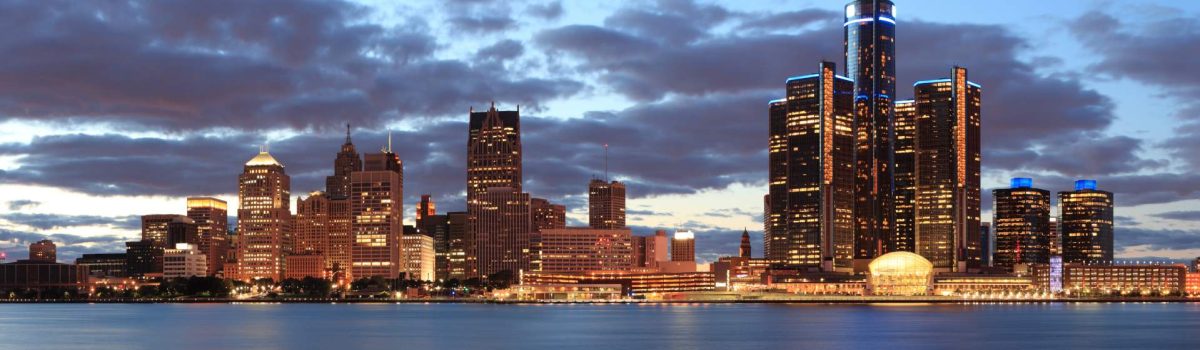
As a lifelong Michigander and a Canadian in spirit, I’ve been blessed to live a life woven into the cultures of both regions. Canadians aren’t distant neighbors to me—they’re family. Their warmth, resilience, and quiet kindness have shaped who I am. I love their towering forests, rugged mountains, tranquil lakes, and rolling plains. I love the Great Lakes that bind us, the rivers flowing like lifeblood through the land. Above all, I cherish the spiritual connection I feel here—a bond that transcends borders and whispers of something eternal.
Lately, though, that bond has been eclipsed by pain and grief. The U.S. government’s portrayal of Canada as a villain – an adversary to be threatened with violent takeover – cuts me to the core. It’s not just rhetoric; it’s a betrayal of a sacred relationship. Canada isn’t a faceless entity; it’s home, refuge, inspiration. To see it demonized is a personal wound, unraveling the unity I’ve built in my heart over a lifetime.
This isn’t just my sorrow—it’s a broader injustice. The United States, a democracy fraying with division and distrust, turns outward instead of inward. We target Canada, a peaceful neighbor lacking the strength to resist. It’s cowardice, not strength, to exploit our power against the vulnerable—a failing nation cloaking its greed in bravado. Worse, we repeat this aggression with Panama’s jungles. We threaten Mexico’s deserts and Greenland’s icy expanses. Each threat is a fresh stain on our conscience. And then there’s Ukraine. We’ve abandoned it to face overwhelming odds alone, flexing our muscles elsewhere while a desperate ally falters. I’m ashamed of who we’ve become: a nation that bullies the weak and forsakes the suffering as our own house crumbles.
What makes this greed galling is its clash with our self-proclaimed Christian identity. We claim to follow Jesus—his teachings of humility, compassion, love for our neighbors. Yet where’s the humility in menacing Canada with domination? Where’s the compassion in leaving Ukraine to its fate while we chase selfish ambitions? The Christ I know spoke of turning the other cheek, caring for the least among us, seeking peace over power. Our actions reek instead of a lust for control—a betrayal of every sermon we’ve preached about moral superiority. This isn’t Christianity; it’s hypocrisy draped in false piety.
Canada, Panama, Mexico, and Greenland aren’t geopolitical pawns; they’re nations of people deserving dignity, not domination. I’ve walked Canada’s land, marveled at its waters, been welcomed by its communities—none of it ours to claim. I recall a crisp morning on Lake Superior’s shore. The mist rose like a prayer. It reminded me that true strength lies in coexistence, not coercion. Yet our threats sow fear where trust should flourish, division where solidarity should reign. This narrative, driven by conflict over cooperation, betrays the human and spiritual values that have long sustained us.
The fragility of this moment deepens my grief. Bonds forged through shared history and humanity are precious but not unbreakable. Watching us abandon Ukraine shows how easily we can lose what matters most. We are also menacing neighbors who wish us no harm. Still, I refuse despair. I hold fast to the love that ties me to Canada. The people there have embraced me. The landscapes restore me. The waters reflect our shared existence. That love gives me the strength to stand with them. We must unite against the hatred and fear tearing us apart.
We have a moral duty to reject this aggression. A nation struggling to uphold its own ideals has no right to force its will on others—least of all neighbors like Canada, Panama, and Mexico, or distant Greenland, whose peace should inspire us. We have no right to turn from Ukraine while claiming superiority. Instead, let’s reclaim the peace and understanding that define our better selves—values that echo the faith we profess. Let’s demand a shift: policies that prioritize partnership, voices that amplify the vulnerable, a discourse that heals rather than divides. Our shared humanity dwarfs any boundary or power play.
Reflecting on Canada’s beauty—and the dignity of all we’ve threatened—I’m filled with quiet determination. I cling to hope that compassion and reason will prevail, that we’ll stop painting Canada as a villain, stop menacing the defenseless, stop abandoning the suffering. I envision a day when we walk alongside others—not as tyrants in pious disguise, but as kin on a journey toward something better. In adversity, I find solace in the people, the land, the waters, and the spiritual thread uniting us. Together, we can rise above this pain, grief, and shame, building a future worthy of our highest calling.
As a Lay Franciscan, a retired carpenter, a husband, father, and grandfather, I carry a heavy heart filled with sorrow and indignation as I witness the violence—both literal and figurative—being inflicted on the people of the United States. This pain is not the act of some distant enemy; it is our own family, our friends, and our neighbors who play roles in this destruction. Our politicians, pastors, and even our Bishops contribute to the suffering. They are tearing at the fabric of our nation, attacking the very idea of self-government and independence that defines us as a people.
I struggle to understand how those who have sworn an oath to defend the Constitution—including our Supreme Court Justices and military officers—can remain passive as these acts of violence are carried out. Instead of protecting the ideals entrusted to them, they allow the dismantling of government programs, the mass layoffs of workers, and the dismantling of structures meant to serve the common good.
The assault is profound: on our government, on our community, and on the hope, we hold for our future as a nation united. It leaves a deep wound in the soul of our country, affecting not just policies but lives—our lives and the lives of generations yet to come. It is a profoundly personal act of violence, eroding trust and solidarity, and forcing families like mine to confront the disheartening reality of what we are becoming. This pain is devastating, and as a man of faith and principle, I cannot remain silent while watching the principles of self-determination and the dignity of governance undermined in such an aggressive and calculated way.
Reflection on the Violence Inflicted on the American People by the Government of the United States.
As of 03:44 PM PDT on Friday, March 14, 2025, the Trump administration’s aggressive agenda to dismantle parts of the federal government has sparked significant concern and sorrow among observers and affected individuals. This reflection, written from the perspective of a concerned citizen, expresses deep sadness at the violence—both emotional and social—being inflicted upon the American people, particularly through the closure of government programs and mass layoffs. The analysis is informed by recent news articles, policy documents, and personal accounts, highlighting the deliberate nature of these actions to overwhelm and cause pain.
Background and Context
The Trump administration, in its second term starting January 2025, has pursued an agenda to reduce the size and scope of the federal government, often referred to as dismantling the administrative state. This effort, driven by executive orders, budget cuts, and policy proposals like Project 2025, overseen by figures like Elon Musk through the Department of Government Efficiency (DOGE), targets both domestic and international operations. By March 14, 2025, confirmed actions include rescinding 78 Biden-era executive orders, eliminating DEI programs, halting UNRWA funding, and firing 5,400 civilian employees in the Department of Defense, among others An agency-by-agency look at Trump’s plan to overhaul government. Planned actions, such as closing the Department of Education and integrating USAID into the Department of State, are pending, with potential further reductions in military spending and overseas operations.
Confirmed Actions and Their Impact
By March 14, 2025, the administration has implemented closures and stoppages, directly affecting American citizens:
Executive Office of the President (EOP): Rescinded 78 Biden-era executive orders on January 20, 2025, impacting climate, immigration, and equity policies An agency-by-agency look at Trump’s plan to overhaul government. Eliminated DEI programs across government on the same date, halting training and offices Trump administration ends government diversity programs and takes aim at DEI nationwide. Instituted a non-military hiring freeze and canceled $181M in DEI training contracts by January 29, 2025, based on an X post (Trump), though unverified. These actions have sent a message of exclusion, particularly affecting marginalized communities, deepening social divides.
Department of State (DOS) and USAID: Halted UNRWA funding on January 20, 2025, stopping US contributions to Palestinian refugee aid Up First briefing: government shutdown; Trump at DOJ; federal layoffs, and paused foreign development assistance, impacting USAID-managed programs like global health and disaster relief. Specific actions include canceling $45M in Burma diversity scholarships and $50M for Gaza condoms by January 29, 2025, based on an X post (Trump, Trump), though unverified. While primarily affecting global populations, these cuts indirectly impact American security and economy through reduced global stability, as noted by advocacy groups. The Impact of the New Trump Administration on USAID: Cuts, Closures, and Controversy.
Department of Justice (DOJ): Attempted to end birthright citizenship on January 20, 2025, via an executive order, blocked by a judge around January 23, 2025, affecting immigrant communities and their access to rights. A Look at the Upcoming Trump Administration’s Policy Priorities.
Environmental Protection Agency (EPA): Stopped Clean Power Plan enforcement and NEPA climate reviews on January 20, 2025, ending carbon emissions rules for power plants and mandatory climate impact assessments. A Look at the Upcoming Trump Administration’s Policy Priorities. Rolled back Clean Water Act wetlands protections in February 2025, reducing federal oversight of wetlands, potentially affecting environmental justice communities.
Department of Agriculture (USDA), Energy (DOE), Transportation (DOT), Interior (DOI), Homeland Security (DHS): Various freezes and rollbacks, such as halting climate-related farm subsidies, renewable energy projects, and infrastructure funding, have disrupted services affecting rural communities, energy consumers, and border security, respectively. The 2,600 Federal Programs Under Scrutiny by Trump’s OMB.
Personal Stories and Emotional Toll
The human cost of these actions is profound, with personal stories highlighting the emotional and social violence inflicted. For instance, a federal worker, fearing retaliation, described feeling “completely blindsided” by a layoff notice after over 10 years of service, stating, “It’s devastating”. ‘You lose all hope’: Federal workers gripped by mental health distress amid Trump cuts.
These accounts reflect the financial and mental health crises, with reports of overwhelming stress, rapid weight loss, and panic attacks among federal workers.
Past government shutdowns, like in 2019, provide a precedent, with an estimated 800,000 federal workers missing paychecks, leading to missed rent, spoiled credit ratings, and food emergencies, particularly affecting African Americans in federal employment. America shuts down: how the federal government closure is impacting millions.
Hypothetical actions, like 8% annual budget cuts to the Department of Defense, could lead to further layoffs, affecting mainland and overseas operations. Trump’s dramatic plan to cut the federal workforce.
These potential changes add to the uncertainty and fear among Americans.
Design and Intent
It is my belief that these actions are “by design. Designed to overwhelm and cause pain” is supported by critics and legal experts. Democratic Senator Ron Wyden confirmed that doctors in all 50 states were unable to secure Medicaid payments during the funding freeze, highlighting the disruption. Trump aid freeze stirs chaos before it is blocked in court.
The Leadership Conference on Civil and Human Rights described the first week as “Chaos, Confusion, & Abuse of Power,” with executive orders targeting civil rights and attempting to dismantle diversity efforts. Chaos, Confusion, & Abuse of Power: Trump’s First Week Back in Office.
Legal scholars, like Steven Smith from Arizona State University, argued that the OMB memo’s breadth has no precedent, suggesting a deliberate strategy to bypass congressional authority. Fact check: What might Trump’s federal funding freeze stop?.
Anxiety among those reliant on health insurance, disrupted care
OMB
Halted federal financial assistance, partially rescinded
Confusion, disrupted state services, affected education centers
USDA, DOE, DOT, DOI, DHS
Various freezes and rollbacks
Disrupted rural services, energy access, border security
Conclusion
The violence inflicted upon the American people through these government closures is real and tangible, manifesting as financial hardship, mental health crises, and disrupted services. It is designed to overwhelm and cause pain, as evidenced by the deliberate nature of the actions and the reactions from affected individuals and critics. This reflection expresses my own deep sorrow for the suffering endured, but also a resolve to resist and work towards a future where government serves all with compassion and equity.