Franciscan Values vs. Project 2025

By Mike Carsten OFS, Secular Franciscan


Introduction: A Franciscan Lens
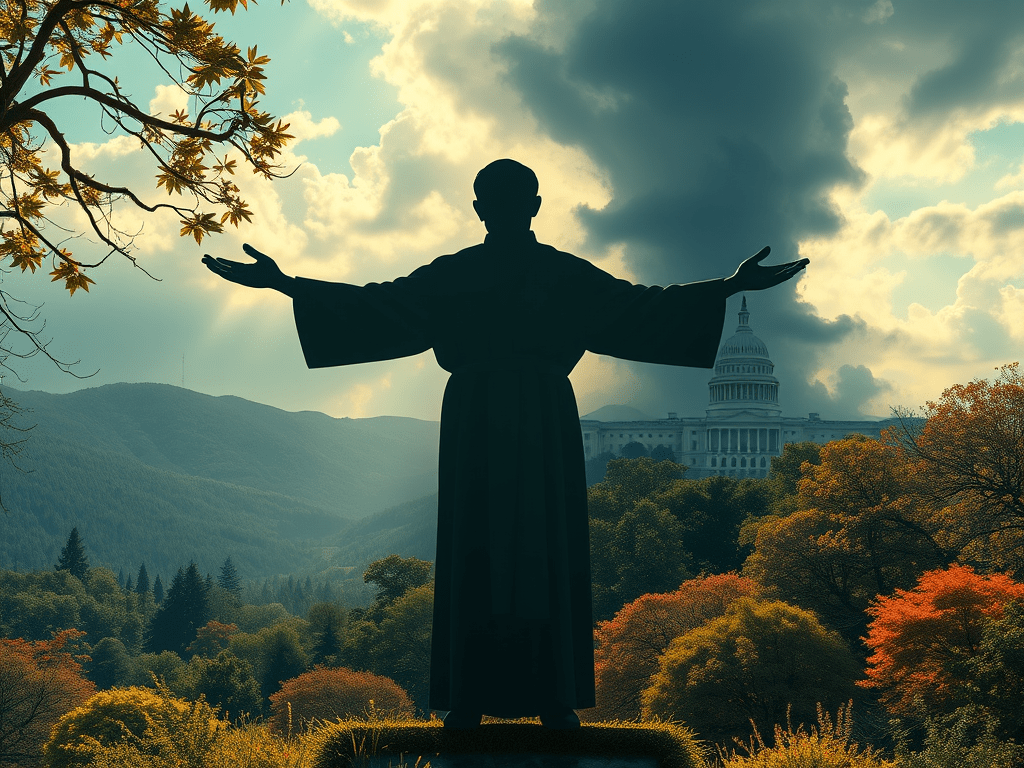
As a secular (lay) Franciscan, I strive to live in the spirit of St. Francis of Assisi—a man who kissed lepers. He preached to birds. He rebuilt the Church not with power but with humility and love. Central to our charism is the conviction that all creation is sacred. Every person reflects God. Solidarity with the poor and marginalized is non-negotiable. I use this perspective to reflect on Project 2025. It is a sweeping policy proposal, which in my humble opinion, is currently being used to reshape the U.S. federal government. Some of its goals may align with certain values. However, many of its provisions clash profoundly with Catholic Social Teaching (CST) and the radical Gospel witness of St. Francis. Here’s why.


1. Care for Creation: “Praised Be You, My Lord, Through Sister Earth”

St. Francis’s Canticle of the Creatures reminds us that the Earth is our sister, not a commodity. Yet Project 2025 seeks to:

  • Withdraw from the Paris Climate Agreement 
  • Expand fossil fuel extraction 
  • Dismantle the EPA 

Franciscan Response:
Pope Francis’s Laudato Si’—a letter deeply rooted in Franciscan spirituality—calls climate action a “moral imperative.” To abandon global climate commitments, pollute rivers, and rank profit over stewardship isn’t just bad policy—it’s sacrilege. St. Francis would weep at the poisoning of Sister Water and the exploitation of Brother Wind. As Franciscans, we are called to “ecological conversion”—to defend our common home through advocacy, sustainable living, and holding leaders accountable.


2. Solidarity with the Marginalized: “Who Are My Mother and My Brothers?” (Mark 3:33)

Jesus’ question challenges us to expand our circles of kinship. Project 2025, however, proposes:

  • Mass deportations 
  • Reviving the “Remain in Mexico” policy
  • Ending birthright citizenship 

Franciscan Response:
St. Francis crossed battle lines to meet a sultan; he saw Christ in the “other.” Pope Francis echoes this in Fratelli Tutti“We cannot be indifferent to suffering; we cannot allow anyone to go through life as an outcast.” Forcing asylum seekers into danger, splitting families through deportation, or denying children their dignity violates the heart of the Gospel. Franciscans are called to welcome migrants, volunteer at shelters, and challenge policies that prioritize fear over compassion.


3. Preferential Option for the Poor: “Blessed Are the Poor”

St. Francis kissed the leper, embraced poverty, and called money “dung.” Project 2025’s economic agenda includes:

  • Corporate tax cuts 
  • Privatizing Social Security 
  • Defunding the IRS 

Franciscan Response:
CST teaches that the economy must serve people, not the other way around. When tax systems favor the wealthy, when retirees are left to market whims, and when healthcare is stripped from the poor (Item 13), we betray Christ in the marginalized. Pope Francis warns in Evangelii Gaudium“How can it be that it is not a news item when an elderly homeless person dies of exposure, but it is news when the stock market loses two points?” Franciscans must advocate for policies that lift the poor—not deepen inequality.


4. Justice and Peace: “Lord, Make Me an Instrument of Your Peace”

St. Francis prayed for peace in a time of crusades. Project 2025 prioritizes:

  • Increasing military spending 
  • Conditional NATO commitments 
  • Harsh criminal justice reforms 

Franciscan Response:
Peace is not won through walls or weapons but through justice and reconciliation. The Church has long taught that militarism and mass incarceration are signs of societal failure. St. Francis would ask: Why fund bombs instead of bread? Why build prisons instead of schools? As Franciscans, we are called to pray and work for a world where “swords are beaten into plowshares” (Isaiah 2:4).


5. Human Dignity and Religious Freedom: “All Creatures Are Our Family”

Project 2025’s social policies include:

  • Reversing LGBTQ+ protections 
  • Banning DEI training 
  • Expanding “conscience rights” to deny care 

Franciscan Response:
True religious freedom never justifies discrimination. St. Francis embraced the leper—the ultimate outcast of his day—and called him brother. Pope Francis urges us to “accompany, not condemn” LGBTQ+ persons. Banning DEI efforts or allowing healthcare denial in the name of “conscience” weaponizes faith, turning it from a bridge to a barrier. Franciscans are called to see God’s face in every person—no exceptions.


6. A Nuanced Pro-Life Witness

While Project 2025 pushes a national abortion ban (Item 20), the Franciscan pro-life ethic demands more than legality. St. Francis didn’t just preach—he fed the hungry, healed the sick, and rebuilt communities. A ban without universal healthcare, childcare, and support for mothers is hollow. As Pope Francis teaches: “It is not ‘progressive’ to resolve problems by eliminating a human life.” But neither is it “pro-life” to ignore systemic poverty or environmental violence.


Conclusion: Rebuilding the Church, Brick by Brick

St. Francis heard God’s call: “Rebuild my Church.” Today, that means rebuilding policies to reflect mercy, justice, and love for creation. Project 2025, in many ways, seeks to dismantle rather than rebuild—to centralize power, exclude the vulnerable, and plunder the Earth.

As Franciscans, our task is clear:

  • Pray for leaders and courage.
  • Advocate for the marginalized.
  • Live simply, rejecting the idolatry of wealth and power.
  • Build bridges in a culture of walls.

Let us ask ourselves: What would St. Francis do? He would kneel in the dirt and plant a garden where others see waste. He would remind the powerful: “Where there is hatred, let us sow love.”


Prayer for the Journey
Lord, make me an instrument of your peace.
Where there is inequality, let me sow justice;
Where there is exclusion, let me build community;
Where there is despair, let me bear hope.
May I never tire of defending the poor, the migrant, and our sister Earth.
Amen.

Promoting Peace: Catholics and World Interfaith Harmony Week

Introduction: A Catholic Perspective on World Interfaith Harmony Week

As Catholics, we may hesitate when initiatives like World Interfaith Harmony Week come up. Questions arise: Does this compromise our faith? Is it promoting a blending of religions? These concerns are valid and come from wanting to stay faithful to the Gospel. But rest assured, World Interfaith Harmony Week is not about diminishing our Catholic identity. Instead, it offers a powerful opportunity to live out one of the most fundamental aspects of our faith: building peace and loving our neighbors as Christ taught us.

The Catholic Church has long supported interfaith dialogue. The Second Vatican Council’s declaration, Nostra Aetate, reminds us that we must respect and work alongside people of all faiths. It acknowledges that God’s presence is evident in different cultures and religions, planting seeds of truth and goodness. This dialogue is not about compromise but humility, understanding, and collaboration for the common good.

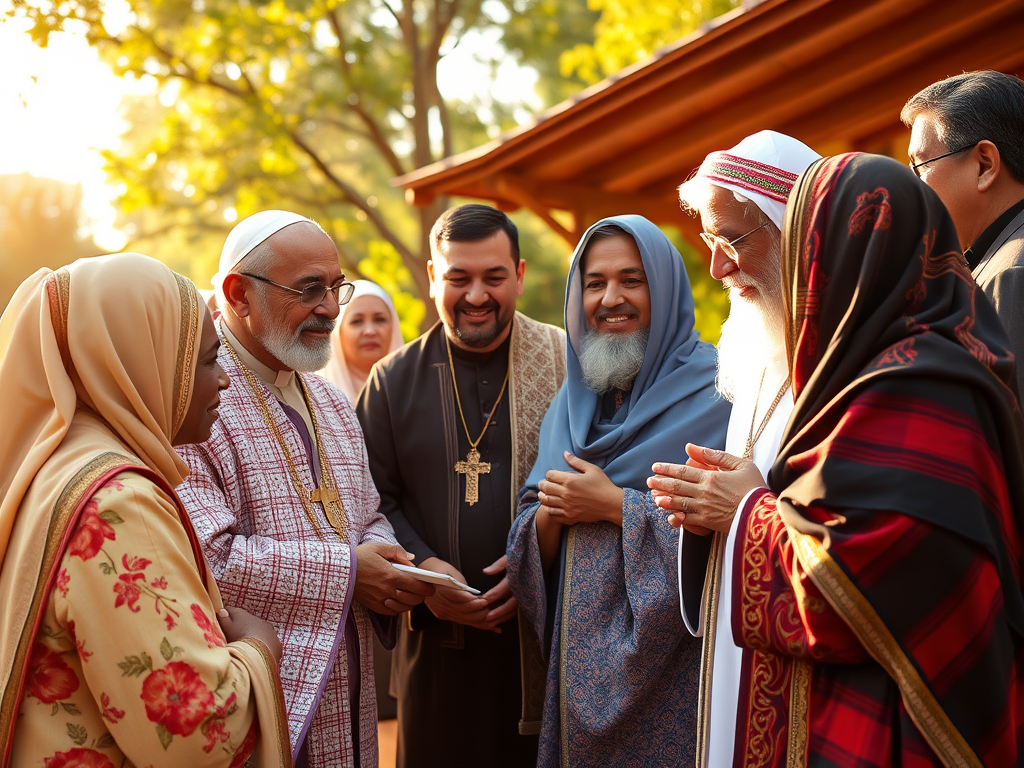
As Franciscans, we are especially drawn to this mission of interfaith harmony. St. Francis of Assisi exemplified this beautifully when he met Sultan Malik al-Kamil during the Fifth Crusade. He approached the encounter with humility, respect, and a desire for peace. He modeled the very essence of what World Interfaith Harmony Week represents. Participating in such initiatives doesn’t mean abandoning our beliefs but living out Christ’s call to be peacemakers. In this spirit, let us explore what World Interfaith Harmony Week is, its goals, and how we, as Catholics, can engage with it confidently and faithfully.


What is World Interfaith Harmony Week?

World Interfaith Harmony Week is a United Nations initiative observed annually from February 1 to February 7. It aims to foster mutual understanding, respect, and collaboration among people of different faiths and belief systems. This week encourages individuals and communities worldwide to focus on shared values and work together toward global peace and harmony.

The initiative’s key message—”Love of God and Love of the Neighbor,” later extended to “Love of the Good and Love of the Neighbor”—is rooted in universal principles of compassion and mutual respect. It provides a framework for people of all faiths (and even those with no religious affiliation) to unite for the betterment of society.


Origins of the Initiative

World Interfaith Harmony Week was proposed in 2010 by King Abdullah II of Jordan, a leader known for advocating peace and dialogue among religions. He recognized the challenges of religious division and misunderstanding in the modern world and presented the idea at the United Nations General Assembly. His vision was to create a global interfaith dialogue platform fostering collaboration and unity. The UN unanimously adopted the resolution, making it an official initiative observed every February.

King Abdullah II’s efforts were rooted in earlier initiatives, such as the Amman Message of 2004, which sought to clarify Islam’s core teachings and promote interfaith dialogue. His leadership highlights how individuals from different faith traditions can take meaningful steps toward peace and understanding.


The Catholic Connection: A Foundation for Dialogue

The Catholic Church has consistently recognized the importance of interfaith harmony. In Nostra Aetate (1965), the Church officially encouraged dialogue with other religions, emphasizing that we share many core values, including the pursuit of truth, justice, and peace. Pope Francis has also made interfaith dialogue a cornerstone of his papacy, frequently engaging with leaders of other faiths and calling for collaboration on issues like poverty, climate change, and human rights.

World Interfaith Harmony Week aligns with these Catholic principles. It offers a platform to live out our call to love God and neighbor. By participating, we do not compromise our faith but bear witness to it in the spirit of humility and service.


Goals of World Interfaith Harmony Week

  1. Promoting Dialogue Across Faiths
    One of the initiative’s primary goals is to create opportunities for meaningful conversations between people of different religions. Dialogue builds understanding, dispels stereotypes, and fosters mutual respect.
  2. Encouraging Love and Respect
    At its heart, World Interfaith Harmony Week emphasizes love—love of God, love of neighbor, and love of the good. This message transcends specific doctrines, inviting all people to focus on what unites them rather than what divides them.
  3. Addressing Discrimination and Misinformation
    Religious discrimination and ignorance are significant barriers to peace. The initiative aims to combat these issues by promoting education, awareness, and mutual understanding.

Why World Interfaith Harmony Week Matters

  1. Uniting Communities Around Shared Values
    While religious traditions vary, most share common values such as compassion, justice, and the pursuit of peace. Focusing on these shared values helps unite communities and inspire collective action.
  2. Addressing Global Challenges
    Many global issues, from poverty to climate change, require collaboration across religious and cultural boundaries. Interfaith harmony provides a foundation for addressing these challenges together.
  3. A Witness to Catholic Faith in Action
    Participating in interfaith initiatives allows Catholics to live out the Gospel. We demonstrate Christ’s teachings by engaging with others in a spirit of love. This approach respects others and communicates His message to the world.

How Catholics Can Participate

If you’re wondering how to get involved in World Interfaith Harmony Week, here are some ideas:

  1. Organize or Attend Events
    Join your area’s interfaith prayer gatherings, seminars, or community service projects. These events provide a space for dialogue and connection.
  2. Engage in Meaningful Conversations
    Take time to learn about the beliefs of others and share your own faith story with humility and respect.
  3. Educate Yourself and Others
    Read about other religions, attend workshops, or invite speakers to your parish. Understanding others helps build bridges of trust and understanding.

Conclusion: Living as Peacemakers in a Divided World

World Interfaith Harmony Week is not a threat to our Catholic identity—it’s an invitation to live it out more thoroughly. As Franciscans and Catholics, we are called to be peacemakers, bridge-builders, and witnesses to Christ’s love in a divided world. By engaging in interfaith dialogue, we follow in the footsteps of St. Francis of Assisi, who demonstrated that peace and respect transcend differences.

Through this initiative, we can help create a world that reflects God’s kingdom—a kingdom of justice, love, and peace. Let’s step forward with confidence, knowing that our faith calls us to be instruments of harmony in a world that so desperately needs it.


FAQs

  1. What is the primary goal of World Interfaith Harmony Week?
    To foster mutual understanding, respect, and collaboration among people of different faiths.
  2. How does this initiative align with Catholic teachings?
    It aligns with the Church’s call to interfaith dialogue, as emphasized in Nostra Aetate, by promoting peace, respect, and shared values.
  3. Why is interfaith dialogue critical?
    It helps build bridges of understanding, dispels stereotypes, and unites communities in addressing global challenges.
  4. Who started World Interfaith Harmony Week?
    King Abdullah II of Jordan proposed the initiative, which was adopted by the United Nations in 2010.
  5. How can Catholics participate?
    Catholics can participate by attending interfaith events, engaging in meaningful conversations, and promoting education and understanding in their communities.

Hunger News & Hope: A Resource for Justice

Two days ago, I received a text from someone dear to me expressing support for an upcoming U.S. effort to gather up and deport immigrants and asylum seekers. To say I was disappointed and saddened would be an understatement. I wondered how—or even if—I should respond. Yet in Detroit, I hear that U.S. Immigration and Customs Enforcement (ICE) is already moving through neighborhoods, knocking on doors.

Finding Hope in Franciscan Wisdom

Yesterday morning, I opened my email and found a message from my Franciscan sister in Waco, Texas. She is a member of the Order of Ecumenical Franciscans (OEF) and the editor of Hunger News & Hope. The Winter 2024 edition arrived in my inbox just in time. This edition offered a fresh perspective and gave me a renewed sense of hope.

Addressing Misconceptions

I feel compelled to address what I believe is a profound misreading. Many Catholics misunderstand what is happening in our country. Some refuse to accept it. Others are okay with it.

My friend claims that the government’s efforts to deport undocumented immigrants “target only those who have committed crimes.” Unfortunately, this is not correct. Many hardworking families, children, and individuals are at risk.

A Resource for Understanding

That is why I’m sharing Hunger News & Hope with you. This publication offers insight into issues of hunger, poverty, immigration, and social justice.

Call to Action

I invite you to:

  • Read the latest edition of Hunger News & Hope
  • Consider signing up for future editions
  • Engage in conversation

The Church’s Position

Bishop Mark Seitz of El Paso, the chairman of the U.S. Conference of Catholic Bishops (USCCB) Committee on Migration, strongly criticized President Trump’s recent executive orders on immigration. He described these orders as “contrary to the moral law” and expressed concern for vulnerable families and children.

Concluding Thoughts

Thank you for taking the time to read this. I hope you find it helpful and thought-provoking. It can inspire us all to pursue a more just and loving path.

TO READ THE WINTER EDITION OF HUNGER NEWS & HOPE

CLICK THE LINK BELOW

Martin Luther King Jr. and Franciscan Values Against Racism


Introduction

Martin Luther King Jr. left an indelible mark on history through tireless efforts to dismantle racism and foster equality. His dream of a just society resonates, especially when racial inequality persists. From a Franciscan perspective, rooted in the teachings of St. Francis of Assisi, the fight against racism is intertwined with a commitment to peace, humility, and solidarity with the marginalized.

This article explores the intersection of King’s vision and today’s racial issues through the lens of Franciscan values. By examining King’s legacy, contemporary politics, and Franciscan approaches, we aim to uncover actionable insights for addressing racism today.


The Life and Mission of Martin Luther King Jr.

Early Life and Religious Influence

Born in 1929, Martin Luther King Jr. grew up in a deeply religious household. His father, a Baptist minister, and his mother, a devoted teacher, instilled a strong moral foundation in him. King’s early exposure to the church shaped his understanding of justice, love, and the power of faith.

Core Principles of Nonviolent Resistance

King’s philosophy was heavily influenced by Christian teachings and Gandhi’s works. He championed nonviolence as the ultimate weapon against oppression, emphasizing that love and forgiveness dismantle hatred and injustice.

Key Moments in the Civil Rights Movement

From leading the Montgomery Bus Boycott to delivering the iconic “I Have a Dream” speech, King’s efforts paved the way for legislative milestones like the Civil Rights Act of 1964. His leadership mobilized a nation and inspired generations to fight for equality.


Racism in Contemporary Politics

Structural and Systemic Racism Today

Despite decades of progress, racism remains embedded in various aspects of society. Policies and practices in housing, education, and law enforcement perpetuate inequality, disproportionately affecting marginalized communities.

Polarization and Racial Divides in Modern Governance

In recent years, political rhetoric has often exacerbated racial divides. Issues like voter suppression, immigration policies, and police brutality continue to highlight the systemic nature of racism.

Key Political Events Shaping Racial Issues

Movements like Black Lives Matter underscore the urgent need for political accountability. The deaths of George Floyd, Breonna Taylor, and others have sparked nationwide protests, calling for systemic reform.


The Franciscan Lens on Racism and Justice

Foundational Principles of Franciscan Theology

Franciscans draw inspiration from St. Francis’s life of humility, poverty, and service. These principles guide their mission to stand with the oppressed and advocate for justice.

Solidarity with the Marginalized

After Christ’s example, Franciscans emphasize walking alongside those who suffer. This solidarity extends to addressing racial inequities and uplifting voices that have long been silenced.

The Commitment to Peace and Reconciliation

Franciscans believe that peace begins with reconciliation. In a world divided by racism, this commitment calls for honest dialogue and restorative practices to heal communities.


Martin Luther King Jr.’s Relevance in Today’s Political Climate

Echoes of King’s Speeches in Modern Activism

King’s words, such as “injustice anywhere is a threat to justice everywhere,” remain as relevant as ever. His speeches continue to inspire movements that challenge systemic oppression.

Lessons for Political Leaders from King’s Life

Political leaders today can learn from King’s ability to unite diverse groups toward a common goal. His emphasis on moral courage and ethical leadership offers a blueprint for enacting meaningful change.

The Enduring Call for Nonviolence and Equity

In a polarized political landscape, King’s nonviolent philosophy provides a crucial reminder of the power of love and unity. His dream challenges us to build bridges, not walls.


How Franciscans Approach Modern Racism

Community Outreach and Education Initiatives

Franciscan communities have long been committed to addressing social injustices through outreach programs. They recognize that education is a powerful tool for dismantling racism. Franciscans educate individuals about racial inequality through workshops, public forums, and school collaboration. They teach the steps needed to overcome it.

Advocacy for Policy Reform

Beyond spiritual guidance, Franciscans advocate challenging unjust laws and policies. They actively support reforms in housing, criminal justice, and voting rights to combat systemic racism. By working alongside grassroots organizations, Franciscans amplify the voices of marginalized communities in political spaces.

Embracing Diversity Within Franciscan Ministries

Franciscan ministries emphasize inclusivity, fostering communities where diversity is celebrated. Through intentional representation and dialogue, they ensure that people of all races feel valued and heard within their congregations and initiatives.


Bridging Faith and Activism

Christianity as a Unifying Force Against Racism

When lived authentically, Christianity calls for radical love and acceptance. Franciscans draw from this principle to unite individuals of all backgrounds in the fight against racism. They create a sense of collective responsibility to address injustice by focusing on shared humanity.

Interfaith Cooperation in Combating Inequality

Franciscans actively engage with other faith traditions in an increasingly diverse world to promote racial equity. Interfaith alliances strengthen the movement by pooling resources, strategies, and networks to challenge discrimination on a larger scale.

Practical Steps for Faith Communities Today

Faith communities can address racism by hosting dialogues, supporting anti-racist policies, and fostering multicultural environments. By leading by example, they can inspire broader societal change and demonstrate the transformative power of faith-based activism.


Challenges and Opportunities in Fighting Racism

Overcoming Resistance and Apathy

Addressing racism requires persistence, as resistance and apathy continue to be significant obstacles. Many individuals deny the existence of systemic racism or resist changes that disrupt the status quo. Franciscans encourage open conversations and empathy to tackle these barriers.

Addressing Intersectionality in Politics

Racism does not exist in isolation—it intersects with issues like gender, class, and immigration status. Franciscans emphasize the importance of understanding these interconnected struggles to create inclusive solutions.

Leveraging Technology for Activism

Modern technology offers unprecedented opportunities for activism. Social media platforms, for example, allow Franciscans and allies to spread awareness, organize events, and mobilize supporters quickly and effectively.


The Path Forward: A Franciscan Vision for Racial Justice

The Role of Forgiveness and Reconciliation

The Franciscan approach is centered on forgiveness and reconciliation. By fostering an environment where past wrongs are acknowledged and relationships restored, they pave the way for lasting change.

The Importance of Hope and Collective Action

Franciscans believe that hope is a powerful force for transformation. By inspiring collective action, they encourage communities to work together toward racial justice, reminding them that change is possible when united by a common purpose.

A Call for Humility and Service

True progress requires humility—a willingness to listen, learn, and serve others. Franciscans embody this principle by placing the needs of marginalized communities at the forefront of their mission.


Conclusion

Martin Luther King Jr.’s dream of a world free from racism remains a powerful vision, challenging us to confront injustice with courage and compassion. Through the Franciscan lens, his legacy inspires us to embrace humility, solidarity, and nonviolence in the fight for equality.

While racism continues to shape modern politics, King’s principles and St. Francis’s teachings offer a path ahead. Combining faith and activism can create a society where everyone is treated with dignity and respect.

Together, we can turn dreams into reality, bridging the divides of our past and building a future rooted in justice and love.


FAQs

1. What is the Franciscan approach to social justice?
The Franciscan approach emphasizes humility, solidarity with the marginalized, and a commitment to peace and reconciliation, drawing inspiration from the life of St. Francis of Assisi.

2. How does Martin Luther King Jr.’s legacy inspire modern politics?
King’s philosophy of nonviolence and equality continues to guide movements for justice, reminding leaders to focus on compassion, courage, and unity.

3. Why is nonviolence still relevant in today’s racial struggles?
Nonviolence fosters dialogue and understanding, creating space for systemic change without perpetuating cycles of hatred and retaliation.

4. How can faith communities tackle systemic racism?
Faith communities can host educational programs, advocate for policy reforms, and create inclusive spaces that promote diversity and equality.

5. What steps can individuals take to combat racism today?
Individuals can educate themselves about systemic racism, support anti-racist policies, engage in community activism, and challenge discrimination in their daily lives.

mikecars10@francisacanministryinc.org

Interfaith Dialogue: Unity for Immigrant Rights

By Mike Carsten OFS

Minister, St. Clare Fraternity, St. Clare Shores MI

Divine Mercy Region Ecumenical and Inter-religious Animator

Dear Sisters and Brothers,

Located in the southern realm of Michigan’s lower peninsula, a border state adjoining Canada, Secular (lay) Franciscans of Divine Mercy Region are uniquely situated to confront the critical challenges surrounding immigration and refugee rights. This geographical proximity creates a profound obligation. It resonates deeply with our Franciscan vocation of peace and justice, which is especially important for marginalized and vulnerable people.

Immigration and Refugee Rights: A Franciscan Mandate

We have a sacred duty. We must advocate for fair and compassionate immigration statutes, extend tangible support to refugees and asylum seekers, and resist unjust deportation measures. This mission transcends political advocacy and embodies our Gospel commitment to love, compassion, and justice.

Advocating for Fair and Compassionate Immigration Statutes

As followers of St. Francis, we are called to take action. We need to support immigration reforms that honor every person’s intrinsic dignity. These reforms should respect individual rights. This advocacy includes endorsing legislation that ensures a transparent and just pathway to citizenship. It also safeguards immigrants’ rights and fortifies family unity. We can collaborate with local and national organizations to drive reforms that resonate with human dignity and collective welfare tenets.

Extending Support to Refugees and Asylum Seekers

Our mission extends beyond advocacy to offering substantive support. This includes providing legal counsel, shelter, and employment opportunities, enabling refugees and asylum seekers to reconstruct their lives with dignity. We must also tackle their holistic well-being by facilitating access to education, healthcare, and spiritual nourishment.

Resisting Unjust Deportation Measures

Unjust deportation practices shatter familial bonds and inflict profound suffering on individuals and communities. As Franciscans, we must denounce these practices and champion the humane treatment of all, regardless of their immigration status. This entails collaborating with policymakers to ensure immigration enforcement respects human rights and embodies justice and mercy.

Fostering Unity Through Interfaith Dialogue

Interfaith dialogue is pivotal in our efforts to support immigrants and refugees. Engaging with diverse faith communities cultivates mutual understanding and respect. This engagement fosters a spirit of unity and collaboration, which is essential for building a just and peaceful society.

A Clarion Call to the Secular Franciscan Community

Beloved Secular Franciscans, though our cherished fraternal gatherings hold great importance, they are but a glimpse of the vast tapestry of our calling. The Rule of Life and Constitutions beckon us to breathe life into our faith and vocation far beyond the warmth of these meetings. We are summoned to be beacons of justice, to extend our hands and hearts to those in desperate need. If we retreat into the comfort of our fraternity, we risk betraying the very essence of our mission. Let us step boldly into the world, carrying our faith as a lantern, illuminating the path of justice and reflecting the Gospel in every breath, every action, and every corner of our lives.

Conclusion: Embracing Our Franciscan Vocation

As Franciscans of the Divine Mercy Region, we are emissaries of God’s peace and love. By living the Gospel and embracing Catholic Social Teaching, we strive for a world where justice and compassion reign. Inspired by St. Francis’s boundless charity, we dedicate ourselves to this sacred mission. Bringing hope and healing to all we meet.

mikecars10@franciscanministryinc.org

Embracing Humility and Justice at Christmas: A Franciscan Perspective

This article explores the Franciscan perspective of Christmas as a call for humility and solidarity with the marginalized, rooted in St. Francis of Assisi’s teachings. The Nativity emphasizes shared values across faiths, advocating for compassion and justice, particularly for the poor. It urges all to embody these principles in action during the Christmas season.

By Mike Carsten OFS

Introduction

Through a Franciscan lens, Christmas is more than a celebration of Christ’s birth—it is a profound call to embody divine humility and solidarity with the marginalized. St. Francis of Assisi’s timeless spirituality resonates within Christianity and offers a bridge for ecumenical and inter-religious dialogue. The story of Greccio and the Nativity invites people of all traditions to reflect on the shared values of simplicity, humility, and care for the vulnerable. This article explores the Franciscan approach to Christmas, enriched by its connection to a preferential option for the poor, drawing insights from interfaith values and the transformative power of compassion.

The Greccio Nativity: A Universal Message of Humility

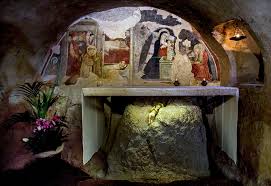
St. Francis of Assisi’s creation of the first Nativity scene in Greccio, Italy, in 1223 transcends its Christian origins. In staging the birth of Christ amidst a humble manger with livestock, Francis sought to awaken a profound sense of shared humanity. This act emphasized that God chose to enter the world not through power or wealth but in utter simplicity and poverty. For Francis, the manger was not just a Christian symbol—it was a universal emblem of humility and the dignity inherent in all life (Thomas of Celano, First Life of St. Francis).

The Greccio reenactment invites reflection across faith traditions. In Judaism, humility is extolled as a central virtue (Proverbs 22:4), while Islam emphasizes care for the vulnerable and an egalitarian view of humanity (Qur’an 49:13). Likewise, Buddhist teachings on simplicity and detachment from materialism align with Francis’s message of Christ’s humble birth (Buddha’s Dhammapada). Focusing on shared values, the Nativity scene becomes a space where ecumenical and inter-religious communities can gather in solidarity and dialogue.

A Preferential Option for the Poor

At its heart, the Christmas story aligns with a “preferential option for the poor”—a principle that prioritizes the needs of society’s most vulnerable. The birth of Christ in a manger speaks powerfully to God’s identification with the marginalized. Francis’s life and teachings echoed this commitment, as he chose to live among the poor, serving them with humility and love (Bonaventure, Major Life of St. Francis).

In today’s world, this message remains urgent. Whether advocating for economic justice, addressing systemic inequality, or extending care to those displaced by conflict, the Nativity invites us to engage in transformative action. The Greccio Nativity was not merely a reenactment—it was a call to see the face of God in the poor and to respond with compassion and justice (Pope Francis, Fratelli Tutti).

The Altar: A Place of Rebirth and Solidarity

The Franciscan tradition connects the manger to the altar, highlighting the Eucharist as the community’s perpetual rebirth of Christ. The altar, adorned with the Nativity scene during Christmas, symbolizes the unity of divine love and human dignity. This connection challenges believers to embody Christ’s humility and extend it through acts of justice and mercy (Springer Link: Theological Reflections on Franciscan Traditions).

In this light, the Eucharist becomes not just a sacred ritual but a reminder to address the pressing needs of our world. For Francis, celebrating Mass over the manger was a bold declaration that Christ is present wherever people strive to uplift the poor and heal the broken. This message transcends denominational boundaries, inviting all who seek justice to find common ground.

Interfaith Reflections on Poverty and Justice

The Nativity story resonates with the ethical teachings of many faith traditions. In Judaism, the concept of tikkun olam (repairing the world) calls for addressing poverty and inequality (Mishnah Avot 2:21). Islam’s zakat (charitable giving) underscores the obligation to care for the poor (Qur’an 2:177), while Hinduism’s principle of dāna emphasizes selfless giving (Bhagavad Gita 17:20). These shared commitments to justice and compassion echo Francis’s vision of Christmas as a time for humility and service.

Modern interfaith efforts have embraced these shared values. Pope Francis’s encyclical Fratelli Tutti calls for global solidarity and dialogue, urging people of all faiths to unite in caring for the vulnerable (Pope Francis, Fratelli Tutti). This vision aligns seamlessly with St. Francis’s teachings, making the Nativity a powerful symbol of unity in diversity.

The Call to Action

Christmas is not merely a historical event but an ongoing invitation to embody divine love and solidarity with the poor. The Nativity challenges us to examine our lives and communities, asking how to make a “preferential option for the poor a reality.” Whether through advocacy, service, or interfaith collaboration, we are called to reflect the humility of the manger in our actions.

Conclusion

From this Franciscans perspective, Christmas celebrates humility, justice, and solidarity. The Nativity at Greccio offers a universal message that transcends religious boundaries, calling us to embrace a “preferential option for the poor” and to build a more compassionate world. As we gather around the altar or reflect on the manger, may we be inspired to act with humility and love, drawing strength from the shared values that unite humanity.

May the peace and justice of Christ’s birth guide us all this Christmas season.

“Glory to God in the highest, and on earth peace to all people of goodwill.”

Week of Prayer for Christian Unity: A Franciscan Reflection

The Week of Prayer for Christian Unity, held annually from January 18 to January 25, invites global Christians to pray for unity. With themes focusing on justice and love, the Franciscan tradition emphasizes humility and reconciliation. The Joint Committee on Franciscan Unity promotes dialogue and collaboration among Franciscans, aiming for healing and inclusivity.

By Mike Carsten OFS

As Franciscans, we are called to live out the Gospel in humility, simplicity, and love for all creation. This spirit is critical during the Week of Prayer for Christian Unity. This annual event invites Christians worldwide to join in prayer and reflection for the unity of all believers in Christ.

Dates and Themes

The Week of Prayer for Christian Unity is observed from January 18 to January 25 each year. These dates were chosen to coincide with the feasts of the Confession of Saint Peter (January 18) and the Conversion of Saint Paul (January 25), symbolizing the unity and mission of the Church.

  • 2024 Theme: “Do Good; Seek Justice” (Isaiah 1:17). This theme calls us to reflect on our actions and attitudes towards justice, mercy, and reconciliation, echoing the Franciscan commitment to peace and social justice.
  • 2025 Theme: “Abide in My Love… You Shall Bear Much Fruit” (John 15:5-9). This theme emphasizes the importance of remaining in Christ’s love to bear the fruits of unity and peace in our communities and the world.

Historical Background

The Week of Prayer for Christian Unity was first proposed in 1908 by Father Paul Wattson, an Anglican priest who later became a Catholic. Since then, it has grown into a global ecumenical movement supported by the World Council of Churches and the Pontifical Council for Promoting Christian Unity.

Franciscan Participation

As Franciscans, we participate this week with a deep sense of our charism. Our founder, Saint Francis of Assisi, was a man of peace and reconciliation. His encounter with the Sultan during the Fifth Crusade is a powerful example of dialogue and mutual respect. Inspired by his example, we pray, dialogue, and act to promote unity among Christians and peace.

A Call for Healing Within Catholicism

In addition to fostering unity among different Christian denominations, there is a pressing need within Catholicism to bridge divides and bring healing to our polarized family. Pope Francis reminds us, “To understand one another, and to grow in charity and truth, we need to pause, to accept and listen to one another. In this way we already begin to experience unity”[1]. The Franciscan spirit of humility, dialogue, and reconciliation can guide us in addressing internal conflicts and fostering a more inclusive and compassionate Church. By embracing our shared faith and focusing on the love of Christ, we can work towards healing wounds and building a stronger, more united Catholic community.

Recognizing and Promoting Unity Within the Franciscan Family

It is also essential to recognize and celebrate the contributions of non-Catholic members of the Franciscan family. The Third Order Society of St. Francis (TSSF), the Order of Ecumenical Franciscans (OEF), and the Order of Lutheran Franciscans (OLF) all embody the Franciscan charism uniquely. Their commitment to living out the values of Saint Francis enriches the broader Christian community and strengthens our collective witness to the Gospel. Pope Francis encourages us, “Unity happens when we walk together”[2]. Let us walk together with our non-Catholic Franciscan brothers and sisters, united in our shared mission of peace, justice, and reconciliation.

The Joint Committee on Franciscan Unity, established in 2004, plays a crucial role in fostering this unity. This committee includes representatives from the Order of Secular Franciscans (OFS), the Third Order Society of St. Francis (TSSF), and the Order of Ecumenical Franciscans (OEF). The committee’s mission is to bear witness to the essential unity of the Church by working towards Franciscan unity in all its expressions[3].

The Joint Committee has organized numerous conferences and initiatives to bring together Franciscans from different traditions. These events focus on shared Franciscan principles and promote dialogue, understanding, and collaboration. By highlighting common values and fostering mutual respect, the committee helps to strengthen the bonds within the Franciscan family and advance the cause of Christian unity.

Promoting Unity Among All Franciscans

Promoting unity among all Franciscans, regardless of their specific traditions or affiliations, involves several key actions and attitudes:

  1. Embrace Common Values: Focus on the core Franciscan values that unite all branches of the Franciscan family, such as humility, simplicity, peace, and care for creation. These shared values can serve as a foundation for unity.
  2. Encourage Dialogue and Collaboration: Create opportunities for dialogue and collaboration among different Franciscan groups. This can include joint prayer services, retreats, and social justice initiatives. Open and respectful communication helps build mutual understanding and trust.
  3. Celebrate Diversity: Recognize and celebrate the diversity within the Franciscan family. Each branch brings unique perspectives and gifts that enrich the whole. We can foster a more inclusive and harmonious community by appreciating these differences.
  4. Shared Formation Programs: Develop shared formation programs that unite members from different Franciscan traditions. These programs can focus on Franciscan spirituality, history, and mission, helping to build a sense of shared identity and purpose.
  5. Joint Social and Environmental Initiatives: Collaborate on social and environmental projects that reflect Franciscan values. Working together on common causes, such as poverty alleviation, peacebuilding, and environmental stewardship, can strengthen bonds and demonstrate unity in action.
  6. Regular Communication: Regularly communicate through newsletters, social media, and other platforms. Sharing news, stories, and reflections from different Franciscan communities can help keep everyone connected and informed.
  7. Prayer for Unity: Incorporate prayers for unity into personal and communal prayer practices. Asking for God’s guidance and blessing on efforts to promote unity can be a powerful way to keep this goal at the forefront of our minds and hearts.
  8. Support from Leadership: Encourage leaders within the Franciscan family to actively promote unity. Their support and example can inspire others to work towards greater collaboration and understanding.
  9. Educational Resources: Develop and share resources highlighting Franciscans’ common heritage and mission. This can include books, articles, and online courses that explore the life and teachings of Saint Francis and the Franciscan tradition.
  10. Annual Gatherings: Organize gatherings or conferences that bring Franciscans from different branches together. These events can provide opportunities for learning, fellowship, and mutual support.

Catholic Church’s Teaching on Christian Unity

The Catholic Church’s teaching on Christian unity can be found in several key documents:

  • Unitatis Redintegratio (1964): This decree from the Second Vatican Council emphasizes the importance of ecumenism and the Church’s commitment to Christian unity. It states, “The restoration of unity among all Christians is one of the principal concerns of the Second Vatican Council”[4].
  • Ut Unum Sint (1995): Pope St. John Paul II’s encyclical on ecumenism reiterates the Church’s dedication to the ecumenical movement. He writes, “The Catholic Church embraces with hope the commitment to ecumenism as a duty of the Christian conscience enlightened by faith and guided by love”[5].
  • The Bishop and Christian Unity: An Ecumenical Vademecum (2020): This document from the Pontifical Council for Promoting Christian Unity provides bishops guidelines for promoting Christian unity. It highlights the bishop’s role in fostering ecumenism and states, “The bishop’s ecumenical engagement is not an optional dimension of his ministry but a duty and obligation”[6].

Conclusion

The Week of Prayer for Christian Unity is a time for us to unite as one body in Christ, seeking to overcome divisions and build a world of justice and peace. As Franciscans, let us embrace this opportunity with the same fervor and humility that characterized Saint Francis, working tirelessly for the unity and well-being of all God’s children. Pope Francis encourages us, “Unity happens when we walk together”[2]. Let us take this journey together, inspired by the love of Christ and the example of Saint Francis.


May this week be a blessed time of reflection, prayer, and action for all who seek the unity of Christ’s followers.

[1]: Pope Francis on Unity [2]: Pope Francis on Journeying Together [3]: Joint Committee on Franciscan Unity Report [4]: Unitatis Redintegratio [5]: Ut Unum Sint [6]: [The Bishop and Christian Unity: An Ecumenical Vademecum](http://www.christianunity.va/content/dam/unitacristiani/Documentazione%20generale/2020Vademecum/V


References

[1] UNITATIS REDINTEGRATIO – Vatican

[2] Unitatis redintegratio – Wikipedia

[3] Unitatis Redintegratio: A New Interpretation After 40 Years

[4] THE BISHOP AND CHRISTIAN UNITY: AN ECUMENICAL VADEMECUM

[5] The Bishop and Christian Unity: An Ecumenical Vademecum

[6] 2020 12 04 Vademecum online – christianunity.va

Franciscan Action Network: Revitalizing Secular Franciscan Dedication to justice and Harmony

As we begin a new week

Divine Presence,

In the face of violence and suffering that plagues our world, we come before You with humble hearts. We see the pain in Syria, where conflict continues to ravage lives. We see the struggles in Ukraine, where missiles and drones bring destruction and fear. We hear the cries of those in Gaza, where hospitals have become battlegrounds. We also see the faces of millions who go to bed hungry every night, their stomachs empty and their hope dwindling.


We pray for the leaders of nations, that they may find the wisdom to seek peace and justice. We pray for the innocent victims, that they may find solace and strength. We pray for the refugees, that they may find safety and a new home. We pray for those who suffer from hunger, that they may receive the nourishment they need to live and thrive.


May the light of love shine in the darkest corners of our world. May the spirit of compassion guide our actions. May the bonds of faith and understanding bring us together, transcending the barriers of religion and culture.


Grant us peace O Divine One.

Peace in our hearts, peace in our homes, and peace in our world. May we be instruments of Your peace, spreading love and kindness wherever we go. May we stand together, united in our quest for a better tomorrow, where no one goes hungry and all are cared for.

Amen.


Traversing the Depths of Belief:

Vatican II, Secular Franciscanism, and Contemporary Dilemmas

Emerging from the shadows of Vatican II, my relationship with the Catholic faith has been a profound confluence of revelation and introspection. The Council, which boldly championed harmonizing tradition with the contemporary pulse, laid the foundation of my early spiritual encounters. It was a chapter steeped in renewal, with the Church seemingly embracing a more expansive and empathetic vision.

As I matured, my devotion pulled me towards the Secular Franciscan Order. The Franciscan path, with its heart anchored in humility, simplicity, and a reverence for creation, struck a resonant chord in me. It provided a spiritual sanctuary aligned with the ethos of Christ’s teachings. Yet, this path has not been devoid of turbulence, especially in an era where Catholic fundamentalism and Christian nationalism cast long shadows across the landscape of the US Catholic Church.

Vatican II: A Turning Point of Renewal

The Second Vatican Council remains a pivotal watershed in Catholic history, an era when the Church sought to engage with the evolving world rather than retreat. The reforms it initiated were profound, forever altering the Church’s posture:

  • The introduction of vernacular languages into the Mass.
  • Greater involvement of laypeople within the sacred liturgy.
  • A renewed pursuit of social justice and interfaith harmony.

For those of us nurtured in this post-Vatican II environment, the Church felt alive—an entity that was evolving and adaptive to the needs of its congregants and the wider world. It was a time when faith and reason engaged in a harmonious dialogue, fueling a spirit of optimism and inclusivity.

Walking the Franciscan Path

My steps naturally led me to embrace the Secular Franciscan life, a call to embody the Gospel in the tapestry of everyday existence. St. Francis of Assisi’s teachings, with his deep love for all creatures and unwavering commitment to justice and peace, offered a compelling blueprint for holiness.

In this path, I discovered a community of like-minded souls bonded by a shared pursuit of simplicity and compassion. Together, we worked to manifest our faith through charity, stewardship of the environment, and advocacy for the disenfranchised. This collective pursuit of purpose fortified my spiritual journey, anchoring me in knowing that our faith could be lived out tangibly in the world.

The Rise of Rigidity: Fundamentalism and Nationalism

Yet, in recent times, the face of the US Catholic Church has morphed into something dissonant. The rise of Catholic fundamentalism and Christian nationalism has introduced discord into my spiritual path. These movements, steeped in rigid dogmatism and often entwined with political fervor, stand in stark opposition to the inclusive, compassionate spirit of Vatican II and the Franciscan way.

Catholic fundamentalism clings to a stringent interpretation of tradition, often stifling dialogue and critical reflection. This rigidity creates an environment where dissent is unwelcome, and those who question or seek broader interpretations of faith are marginalized.

Christian nationalism, on the other hand, entwines faith with national identity, promoting an exclusionary vision of America that distorts the universal message of love and unity that the Church ought to represent. This fusion of religion and politics turns the Church into an instrument of partisan ideologies, undermining its role as a beacon of justice and compassion.

A Beacon of Hope Amidst Trials

Despite the turbulence these movements have introduced into the modern Church, I remain unwavering in my devotion. The values of Vatican II and the Franciscan tradition continue to illuminate my path, reminding me that at the heart of Christianity lies a profound commitment to love, mercy, and service.

In these challenging times, holding fast to these core principles is essential. By nurturing dialogue, embracing the richness of diversity, and championing justice, we can help the Church reflect the transformative message of the Gospel.

While my journey as a child of Vatican II and a Secular Franciscan has been marked by joy and sorrow, I face the future with hope and resilience. Against the rising tide of fundamentalism and nationalism, I find solace in the enduring legacy of Vatican II and the timeless wisdom of St. Francis. These pillars remind me that, ultimately, love will triumph.

Peace

Mike